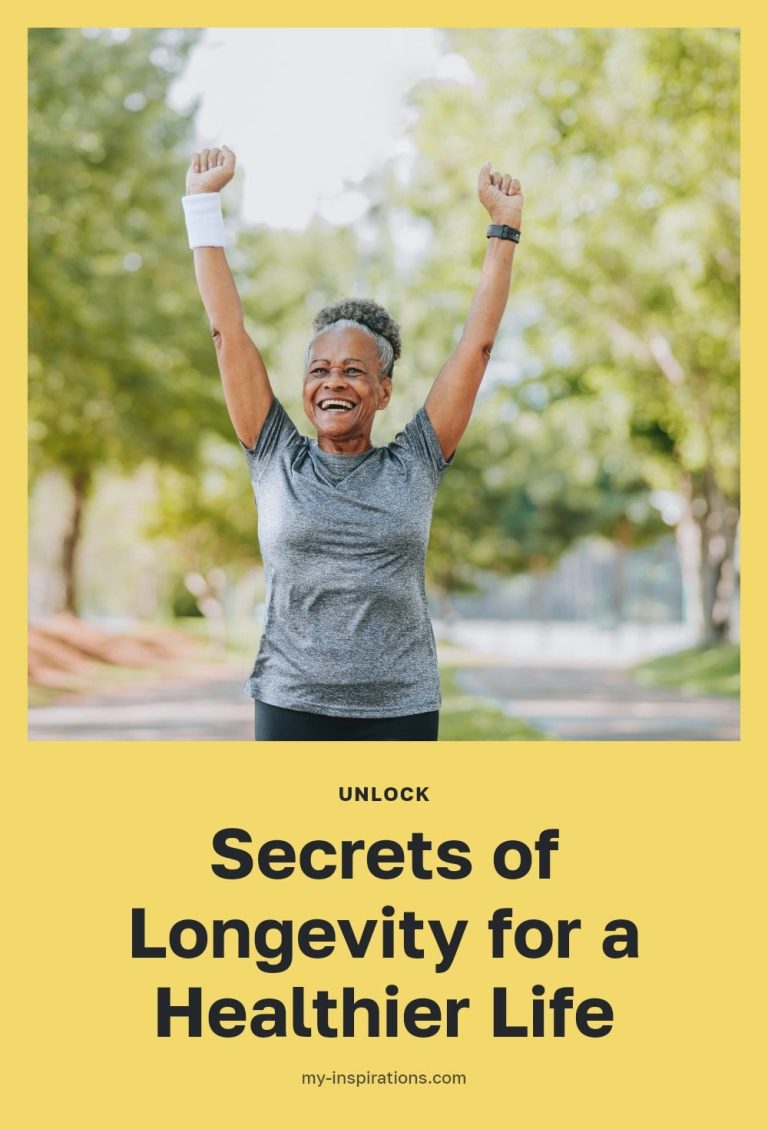
Unlocking the Secrets of Longevity: Live a Longer, Healthier Life
Discover the real secrets of longevity, from diet and exercise to social connection. Learn actionable tips to live a longer, healthier life.

You’ve probably heard about the secrets of longevity, but they aren’t really secrets at all. Instead, they’re a combination of daily habits that science consistently links to a longer, healthier life. In this article, I’ll walk you through the key pillars of longevity, from diet and exercise to social connection and sleep, so you can start making changes that truly matter.
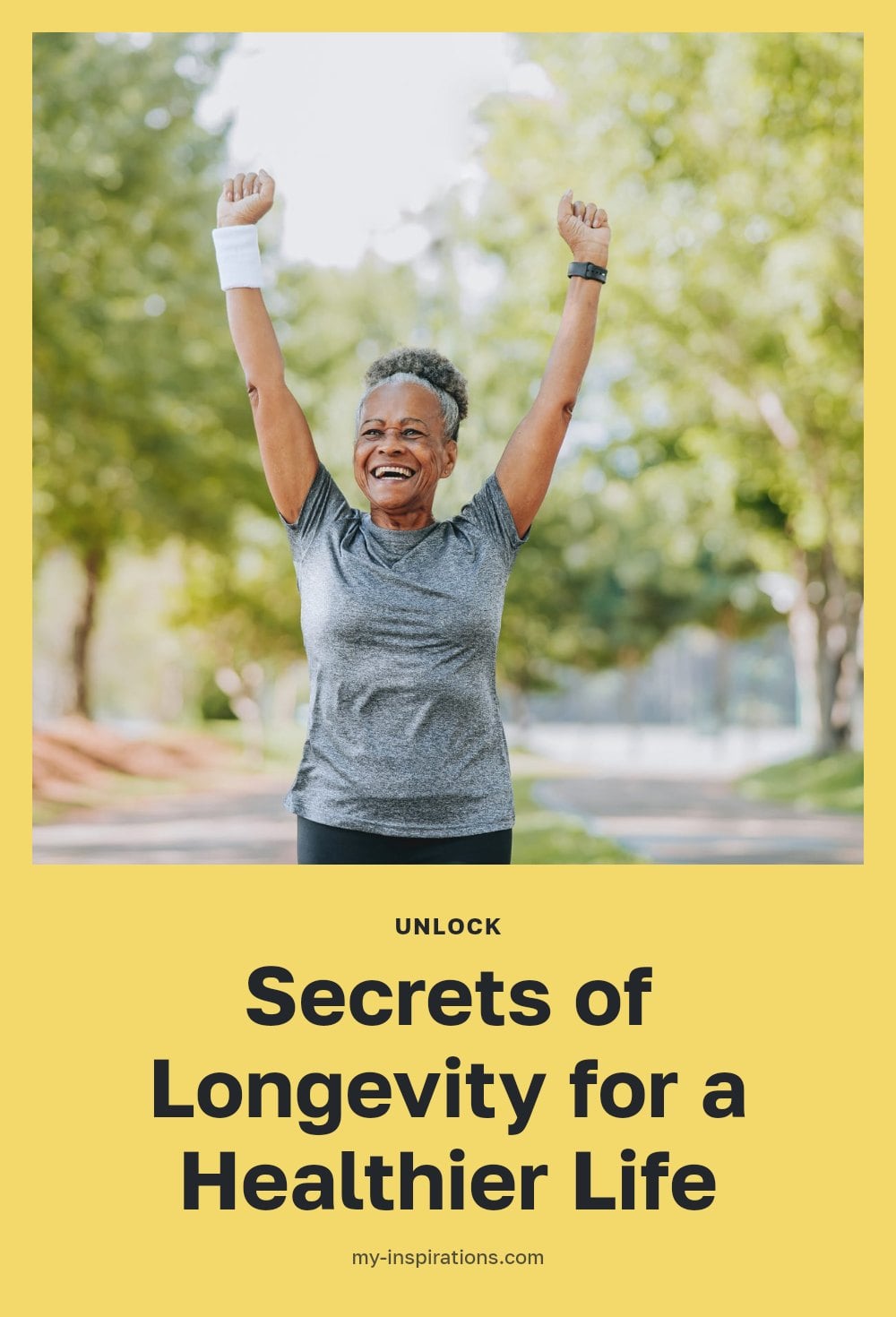
Key Takeaways
- Genetics account for only 20-30% of your lifespan; lifestyle plays the bigger role.
- Eat a colorful, plant-forward diet like the Mediterranean style for longevity.
- Move naturally every day, whether it’s walking, gardening, or taking stairs.
- Nurture close relationships and stay socially active to boost your healthspan.
- Aim for 7-9 hours of quality sleep and manage stress with mindfulness.
What Are the Real Secrets of Longevity?
The real secrets of longevity are no secrets at all. They are consistent lifestyle choices: a balanced diet, regular physical activity, strong social connections, effective stress management, and adequate sleep. Genetics account for roughly 20-30% of how long we live, but daily habits carry far more weight. Look at Blue Zones, regions with many centenarians, and you see these same pillars in action, not a single magic pill. The key is a holistic approach, not a quick fix.
Understanding the Role of Genetics Versus Lifestyle
Genetics contribute about 20-30% to your lifespan, but lifestyle choices determine the rest, and they shape your healthspan, the years you live in good health. You cannot change your genes, but you have significant control over your daily habits. Healthspan matters as much as lifespan: living to 90 is less meaningful if the last decade is spent with chronic illness. Focus on what you can influence: what you eat, how you move, who you connect with, and how you rest.
1. Nourish Your Body with a Longevity-Focused Diet
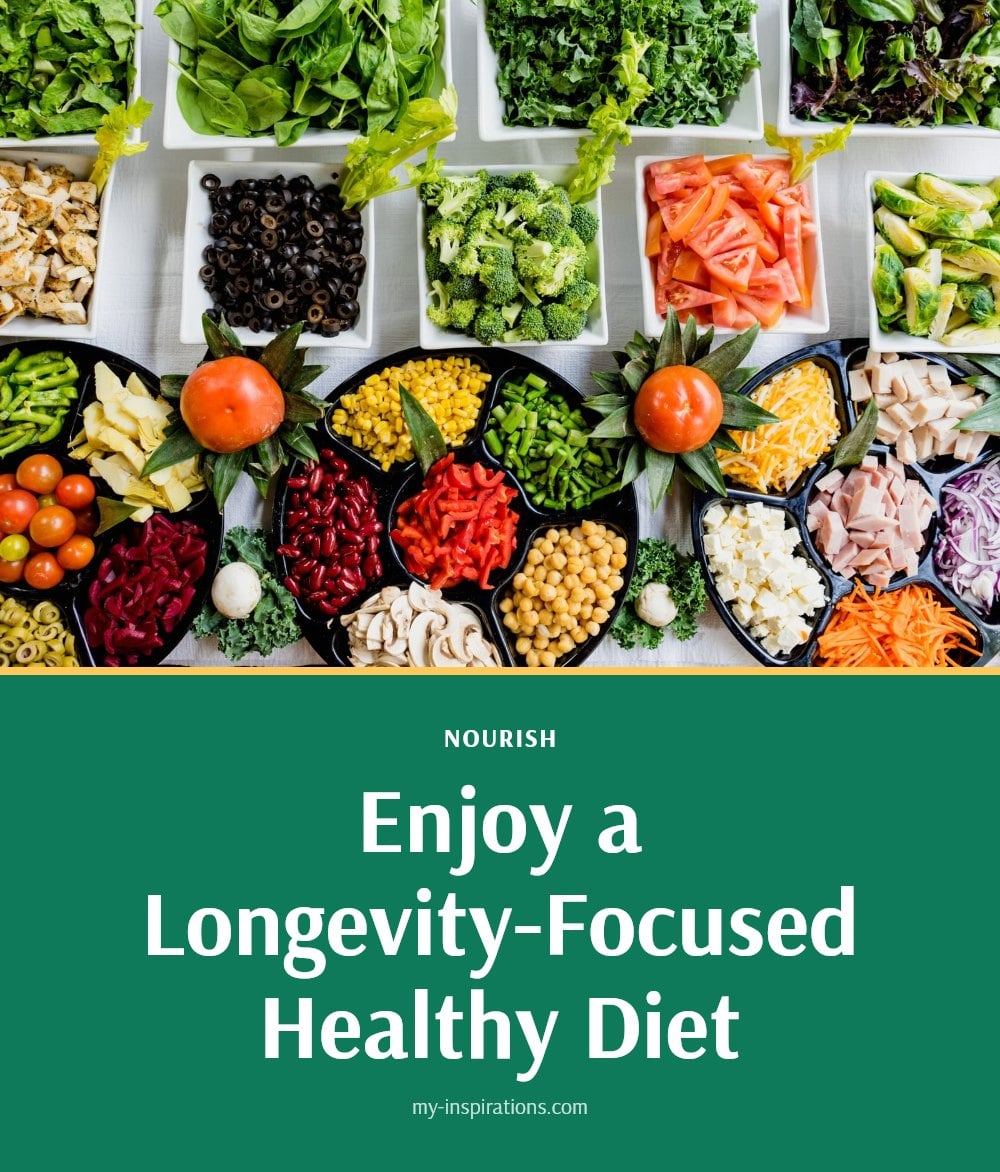
Prioritize a diet rich in fruits, vegetables, whole grains, and lean proteins. The Mediterranean diet is a strong example. It emphasizes plant-forward eating, healthy fats, and minimal processed foods. My tip: aim for a colorful plate at every meal; more colors usually mean more nutrients. Maintaining a healthy weight also reduces the risk of age-related diseases. Skip restrictive diets and focus on whole, unprocessed foods instead.
- Eat vegetables and fruits at every meal.
- Choose whole grains like oats, quinoa, and brown rice.
- Include lean proteins such as fish, poultry, legumes, and tofu.
2. Stay Active and Keep Moving Regularly
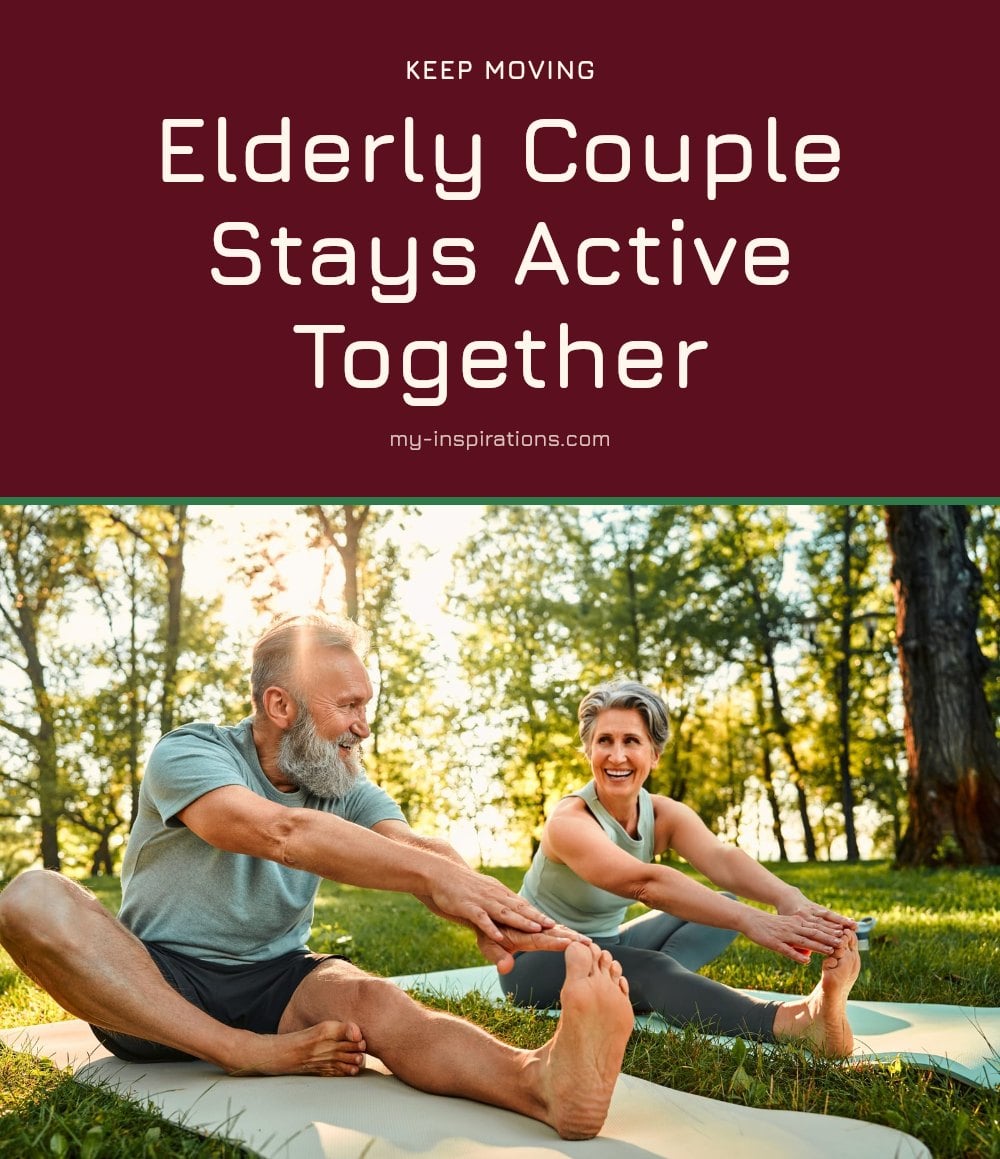
Regular physical activity consistently links to increased longevity and lower chronic disease risk. The key is finding activities you genuinely enjoy so movement becomes a sustainable habit, not a chore. In Blue Zones, natural movement is woven into daily life, gardening, walking, taking stairs, rather than reserved for structured workouts. My tip: park farther away, take the stairs, and schedule walking meetings. Consistency matters more than intensity.
- Aim for at least 150 minutes of moderate activity weekly.
- Mix in strength training twice a week for muscle and bone health.
- Incorporate movement into your daily routine, not just exercise sessions.
3. Cultivate Strong Social Connections and Community
Strong social ties and community involvement are correlated with increased lifespan and improved mental well-being. Meaningful relationships provide support, purpose, and reduce stress. Combat isolation by actively engaging with friends, family, or community groups.
Tip: Join a club, volunteer, or reconnect with an old friend. The goal is to build a network that enriches your life, not adds a chore to your schedule.
4. Master Stress Management for Better Health
Chronic stress negatively impacts health and can accelerate aging processes. Incorporate stress-reducing practices like mindfulness, meditation, hobbies, or spending time in nature. Prioritizing mental well-being is a crucial component of longevity.
Good to know: Find what truly helps you unwind, whether it’s a 10-minute walk, a creative hobby, or a meditation app. The key is consistency, not perfection.
5. Prioritize Consistent and Quality Sleep
Adequate and consistent sleep, typically 7-9 hours for adults, is vital for physical and mental health. Poor sleep can impact immune function, cognitive ability, and overall longevity. Focus on quality, not just quantity.
Pro move: Put away screens at least 30 minutes before bed. A relaxing bedtime routine signals your body it’s time to wind down, improving both sleep quality and duration.
Common Longevity Mistakes to Avoid
Believing in a ‘Magic Pill’: No single supplement, tea, or diet trend will extend your life on its own. Longevity is built on consistent habits, not quick fixes. Skip the expensive pills and focus on the daily choices that actually add up.
Ignoring ‘Healthspan’: Living to 100 means little if the last 20 years are spent in poor health. Aim for vitality, not just years. A longer life is only valuable when you can enjoy it fully.
Underestimating Daily Habits: One salad or one walk won’t change your life, but a thousand of them will. Small, consistent choices have a profound cumulative impact over time. That daily snack or skipped walk matters more than you think.
Neglecting Mental and Social Health: Longevity is not just about what you eat or how much you move. Emotional well-being and meaningful relationships are just as critical. Prioritize connection and mental health as seriously as your physical routine.
When to Consult a Healthcare Professional
Before making significant changes to your diet or exercise routine, talk with your doctor, especially if you have pre-existing conditions. Persistent stress, anxiety, or depression deserve professional attention, so seek medical or psychological help when needed. Regular health screenings and preventive care detect issues early, when they are most manageable. Be cautious of unproven longevity supplements or extreme diets, and always consult a professional before trying them.
Frequently Asked Questions
Can genetics guarantee a long life?
No, genetics only account for about 20-30% of your longevity. Your daily habits, like diet, exercise, sleep, and social connections, have a much larger impact. Even if you have a family history of long life, your lifestyle choices still matter most for how well and how long you live.
Are supplements the key to longevity?
Supplements are not a magic solution. No pill can replace the benefits of a balanced diet, regular movement, and stress management. While some people may need specific vitamins for medical reasons, relying on supplements without addressing your lifestyle is a common mistake. Talk to your doctor before starting any supplement.
Is it ever too late to start healthy habits for longevity?
It’s never too late. Even adopting healthier habits later in life can improve your health and add years to your life. Small changes, like eating better or walking more, can make a difference at any age. The key is consistency, not perfection, so start where you are and build from there.
What is the ‘healthspan’ and why does it matter?
Healthspan is the number of years you live in good health, free from chronic disease or disability. It matters because living longer isn’t as valuable if those extra years are spent in poor health. Focusing on healthspan means prioritizing habits that keep you active and independent as you age.
Final Thoughts
Start with one small change today, whether it’s adding more vegetables to your plate, taking a daily walk, or reaching out to a friend. These habits, built over years, are what truly extend both your lifespan and your healthspan. Be patient with yourself; the benefits accumulate gradually, and it’s never too late to begin.
This article is for general informational purposes only and is not a substitute for professional medical advice. Always consult with a qualified healthcare provider before making significant changes to your diet, exercise routine, or lifestyle, especially if you have pre-existing health conditions. If you experience persistent stress, anxiety, or other health concerns, seek professional help.