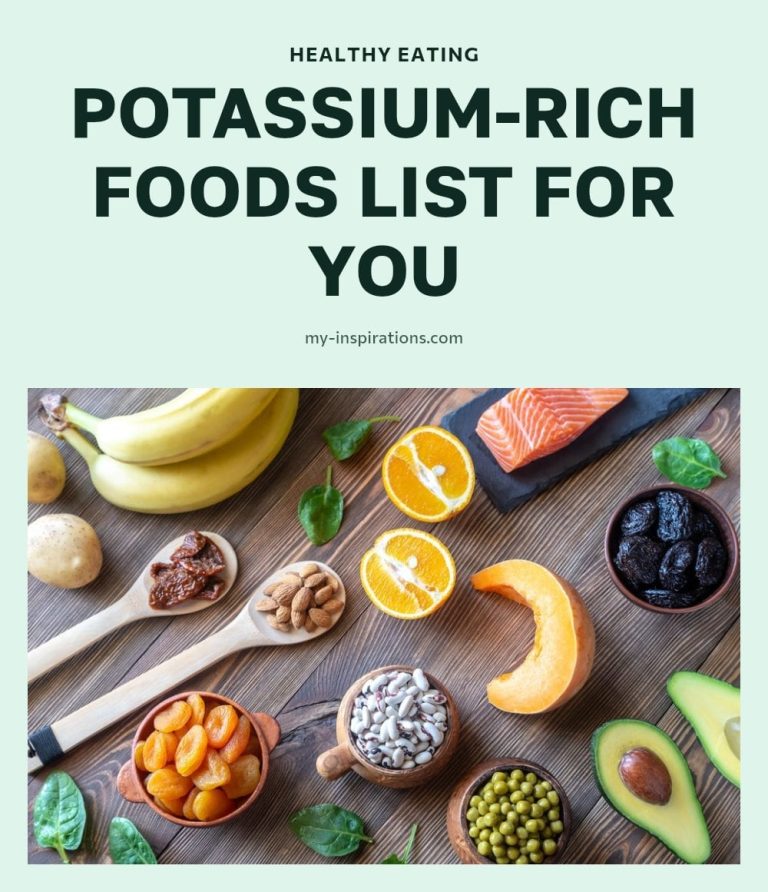
Potassium-Rich Foods List: Essential for a Healthy Body
Discover a comprehensive potassium-rich foods list. Learn which fruits, vegetables, and more support healthy blood pressure and overall wellness.

You already know you need potassium, but figuring out which foods actually deliver the most can feel like a guessing game. This article breaks down the best sources, from leafy greens to dairy, so you can confidently fill your plate with what your body really needs.
I’ll cover how much you need each day, why it matters for your heart and muscles, and the simple swaps that make a big difference. My tip: don’t just rely on bananas. There are plenty of other options that pack a bigger punch.
Key Takeaways
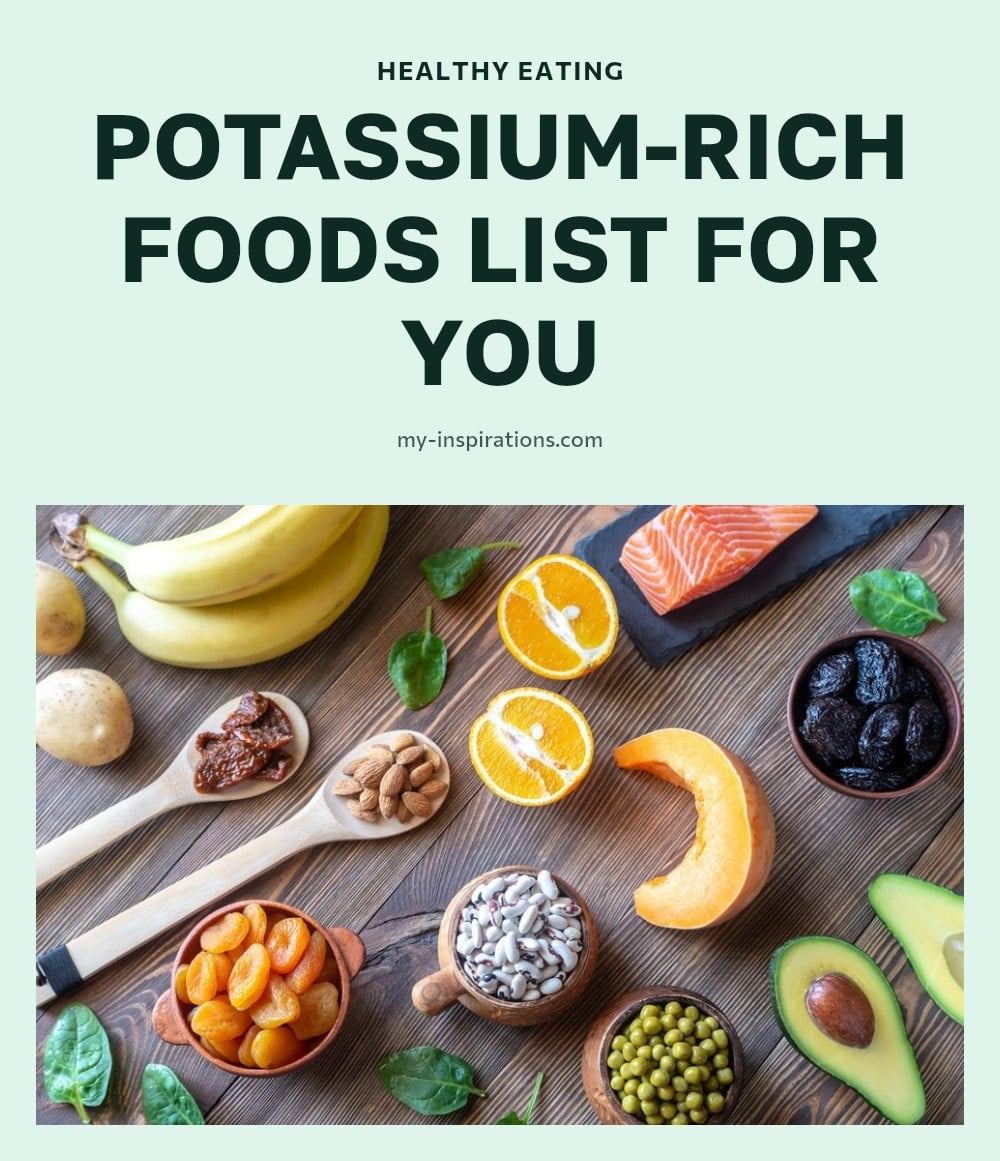
- Most adults need 4,700 mg of potassium daily from whole foods like fruits, vegetables, and legumes.
- A cup of cooked Swiss chard provides about 960 mg of potassium, more than double a banana.
- Baking or roasting vegetables preserves more potassium than boiling, which can leach it out.
- Consult a doctor before taking potassium supplements, especially if you have kidney disease or take certain medications.
- Pair high-potassium foods with lower sodium intake to support healthy blood pressure and fluid balance.
What Are Potassium-Rich Foods?
Potassium-rich foods are mostly whole, unprocessed options like fruits, vegetables, legumes, dairy products, and fish. Your body relies on this essential electrolyte to maintain fluid balance, transmit nerve signals, and support muscle contractions. Most adults need about 4,700 mg of potassium per day. Eating a variety of these foods can help support healthy blood pressure and may reduce the risk of kidney stones and bone loss.
Why Potassium Matters for Your Body
Why Potassium Matters for Your Body
Potassium is an essential electrolyte that helps your body maintain proper fluid balance, directly counteracting the effects of sodium. It’s also critical for nerve signal transmission and muscle contractions, including the steady rhythm of your heart muscle. A diet rich in potassium can significantly help lower blood pressure, especially if you have hypertension, and may reduce the risk of stroke, kidney stones, and bone loss. Getting enough from food rather than supplements is the safest and most effective approach for most people.
1. Leafy Greens and Vegetables
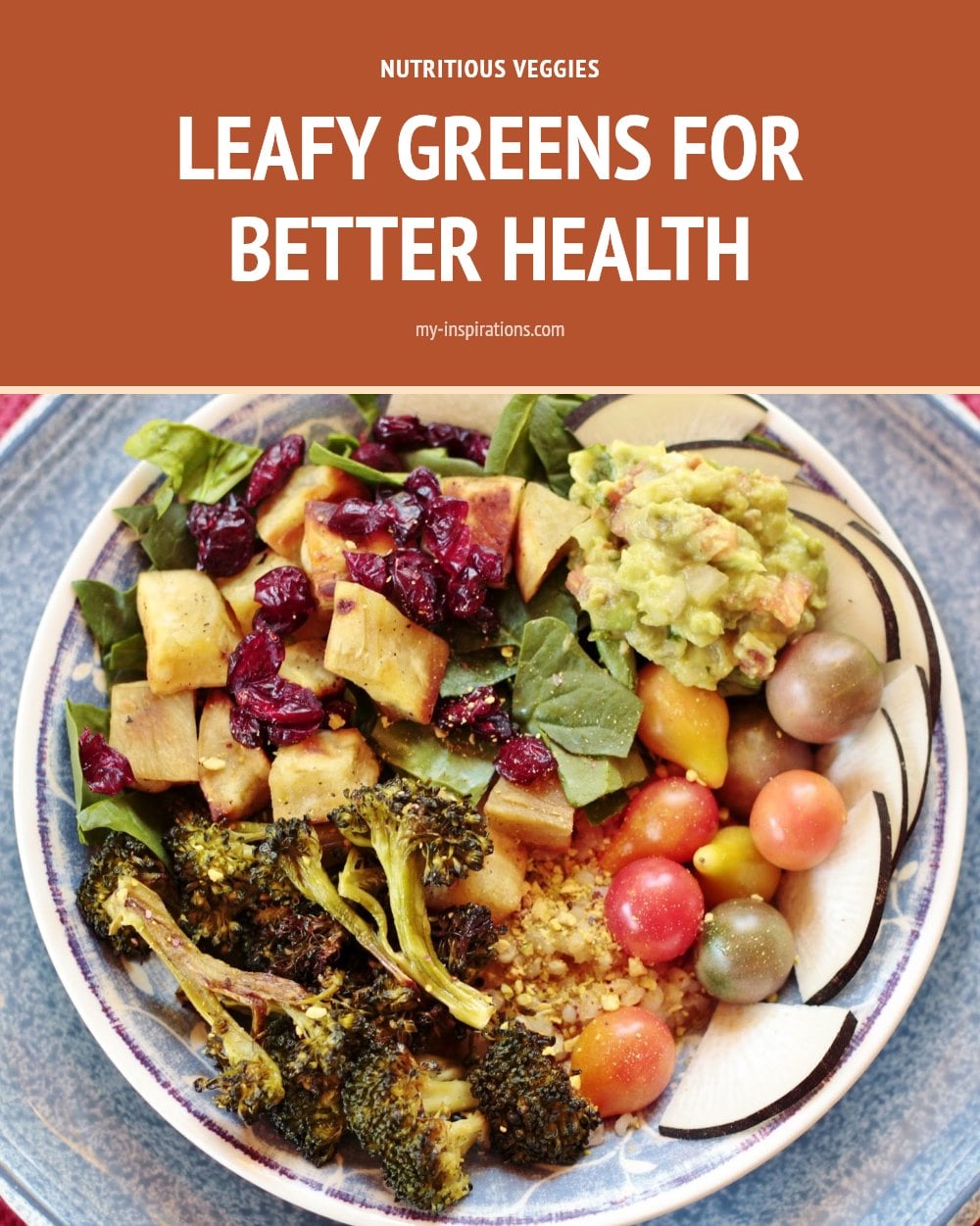
Spinach and Swiss chard are two of the most potassium-dense leafy greens you can eat. A single cup of cooked spinach delivers over 800 mg of potassium, while the same amount of Swiss chard provides about 960 mg. Root vegetables like potatoes and sweet potatoes are also surprisingly rich: a medium baked potato with skin has around 900 mg, and a medium sweet potato gives you about 540 mg. Don’t stop there, broccoli, tomatoes, and winter squash each add a solid 300-500 mg per serving. Tip: roast or bake these vegetables instead of boiling to keep more potassium intact.
2. Fruits for a Potassium Boost
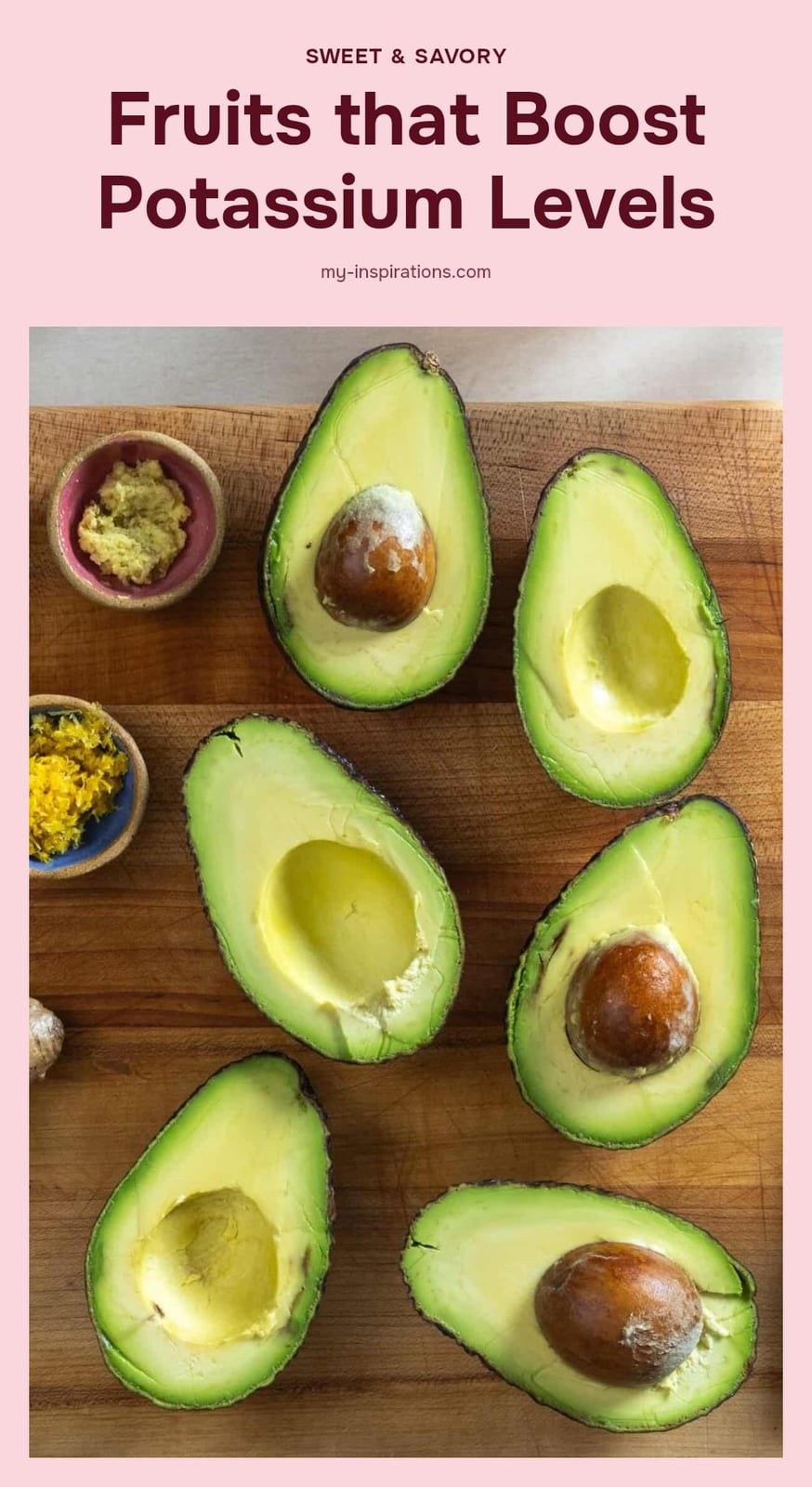
Bananas are famous for potassium, but fruits like avocados, oranges, and apricots actually contain higher amounts. Cantaloupe and honeydew melons are also fantastic choices to boost your intake. My tip: don’t just stick to bananas; explore the wider world of potassium-rich fruits.
- Avocados
- Oranges
- Apricots
- Cantaloupe
- Honeydew melon
3. Legumes, Dairy, and Fish
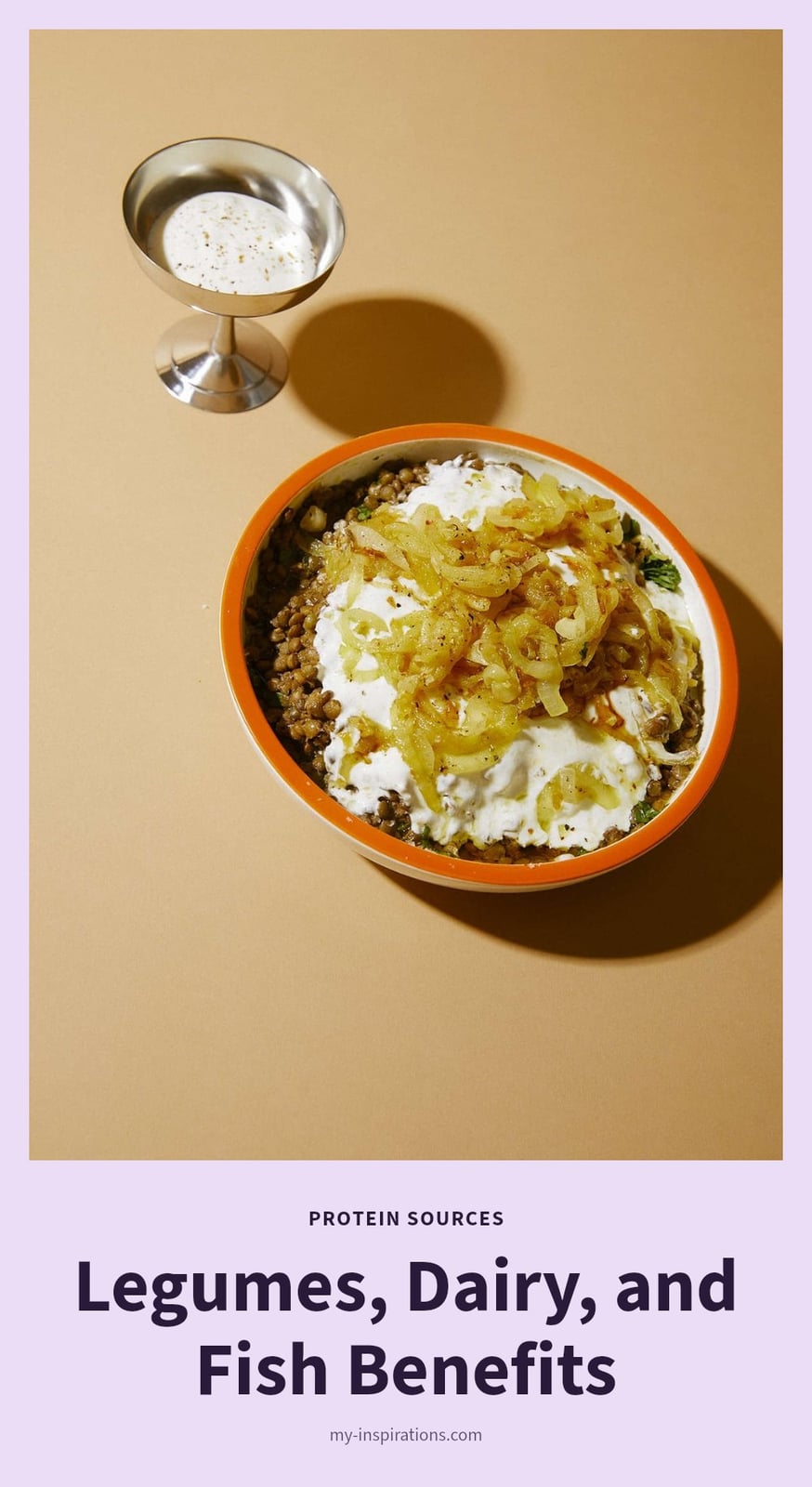
Legumes like black beans, kidney beans, and lentils are powerful potassium providers, with a single cup of cooked lentils offering around 730 mg. Dairy products such as milk and yogurt also contribute significantly; one cup of plain yogurt provides roughly 380 mg. Certain fish, including salmon and tuna, deliver a good amount of potassium alongside healthy fats and protein. A 3-ounce serving of cooked salmon contains about 325 mg.
Smart Ways to Increase Your Potassium Intake
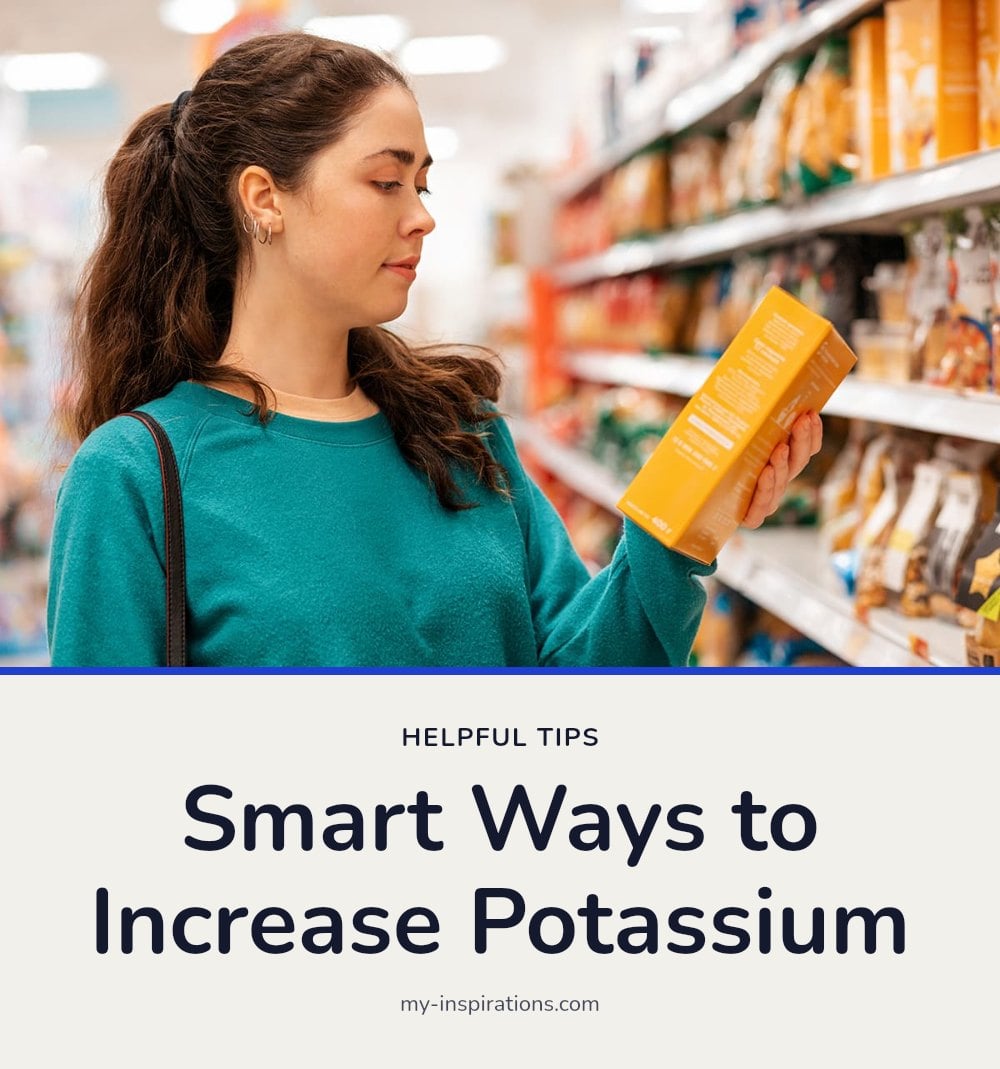
Prioritize Whole Foods: Choose whole, unprocessed foods over packaged ones, which are often high in sodium and low in potassium. Whole foods naturally contain more potassium and fewer additives.
Vary Your Plate: Include a wide variety of fruits and vegetables in your daily diet to ensure you get a broad spectrum of nutrients. Different produce items offer different potassium levels, so mixing them up helps you hit your target.
Cook Smart: Opt for baking, roasting, or steaming vegetables to retain more potassium. Boiling can leach potassium into the water, so if you do boil, save the cooking liquid for soups or stews.
Read Labels: My tip: always check nutrition labels to compare potassium content in different products. You might be surprised to find that some canned soups or frozen meals contain a decent amount, while others have almost none.
Common Potassium Mistakes to Avoid
Banana Overestimation: Don’t believe bananas are the absolute best source of potassium. A medium banana has about 420 mg, but a cup of cooked spinach packs over 800 mg, and a medium avocado provides around 975 mg.
Limited Food Choices: Avoid sticking only to common examples like bananas and potatoes. Many other foods, such as Swiss chard, white beans, and yogurt, offer substantial potassium.
Supplement Reliance: My advice: don’t rely solely on potassium supplements without medical advice. Excessive intake from supplements can lead to hyperkalemia, which may cause dangerous heart rhythm problems.
Ignoring Cooking Impact: Don’t forget that cooking methods affect potassium content. Boiling vegetables can reduce their potassium by up to 50%, while roasting or steaming preserves much more.
When to Consult a Healthcare Professional
Consult a healthcare professional or registered dietitian if you have concerns about your potassium intake, especially if you have kidney disease or take medications like ACE inhibitors or potassium-sparing diuretics. These conditions and drugs can alter how your body handles potassium.
Seek immediate medical attention if you experience symptoms of hyperkalemia (too much potassium), such as muscle weakness, fatigue, nausea, or an irregular heartbeat. This can be dangerous and requires prompt care.
Consult a doctor if you notice symptoms of hypokalemia (too little potassium), including muscle weakness, cramps, constipation, or fatigue. A simple blood test can confirm your levels and guide safe adjustments.
Frequently Asked Questions
Can I get enough potassium from food alone?
Yes, most people can meet their daily potassium needs through a balanced diet rich in fruits, vegetables, legumes, and dairy. Whole foods like spinach, avocados, and lentils provide high amounts naturally. If you have a medical condition or take medications that affect potassium, talk to your doctor about whether supplements are necessary.
How does cooking affect potassium content?
Boiling vegetables can cause potassium to leach into the water, reducing the amount you get. Baking, roasting, or steaming helps retain more of the mineral. If you do boil, consider using the cooking water in soups or sauces to capture some of the lost potassium.
Are potassium supplements safe?
Potassium supplements can be dangerous if taken without medical supervision, especially in high doses. Too much potassium, known as hyperkalemia, can lead to heart rhythm problems and other serious issues. Always consult a healthcare professional before starting any supplement, particularly if you have kidney disease or take certain blood pressure medications.
What foods are highest in potassium?
Beyond bananas, top sources include cooked Swiss chard (about 960 mg per cup), avocados (around 975 mg per medium fruit), cooked spinach (over 800 mg per cup), and lentils (about 730 mg per cup). Potatoes, sweet potatoes, salmon, and yogurt are also excellent choices. Varying your intake ensures you get enough without relying on any single food.
Final Thoughts
Your best bet is to build meals around a variety of whole foods: leafy greens, root vegetables, legumes, and dairy. Aim for at least one potassium-rich option at each meal, and remember that cooking methods matter, roast or steam your veggies instead of boiling them. With consistent choices, you can easily meet your daily needs without relying on supplements.
Listen to your body and check in with a healthcare professional if you have any concerns about your levels.
The information in this article is for general informational purposes only and is not a substitute for professional medical advice, diagnosis, or treatment. Always consult a qualified healthcare provider or registered dietitian before making significant changes to your diet, especially if you have a medical condition or are taking medications that affect potassium levels.