
Natural Ways to Lower Cortisol Levels for Better Well-Being
Discover effective natural ways to lower cortisol levels and reduce stress. Learn about diet, sleep, and lifestyle changes to improve your well-being.

If you’ve been feeling constantly tired, noticing stubborn weight gain around your midsection, or struggling to get a good night’s sleep, your cortisol levels might be out of balance. Cortisol is your body’s main stress hormone, and while it’s essential for helping you handle pressure, chronically high levels can wreak havoc on your health. In this article, I’ll walk you through the most effective natural strategies to lower cortisol, from sleep and diet to stress management and exercise.

Key Takeaways
- Prioritize 7-9 hours of quality sleep each night to support your natural cortisol rhythm.
- Incorporate short stress breaks like deep breathing or meditation into your daily routine.
- Eat a balanced diet with whole foods, lean proteins, and healthy fats to support adrenal health.
- Avoid over-exercising and excessive caffeine or alcohol, which can spike cortisol.
- Consult a doctor if you suspect chronically high cortisol, as it may indicate an underlying condition.
What is Cortisol and Why Does it Matter?
Cortisol is often called the ‘stress hormone’ because your adrenal glands release it when you’re under pressure. Its job is to help your body respond to stress, regulate metabolism, and reduce inflammation. But when cortisol stays high for too long, it can lead to weight gain, sleep problems, and mood changes. The good news is that natural lifestyle adjustments can help bring it back into balance for better overall well-being.
Understanding What Raises Your Cortisol Levels
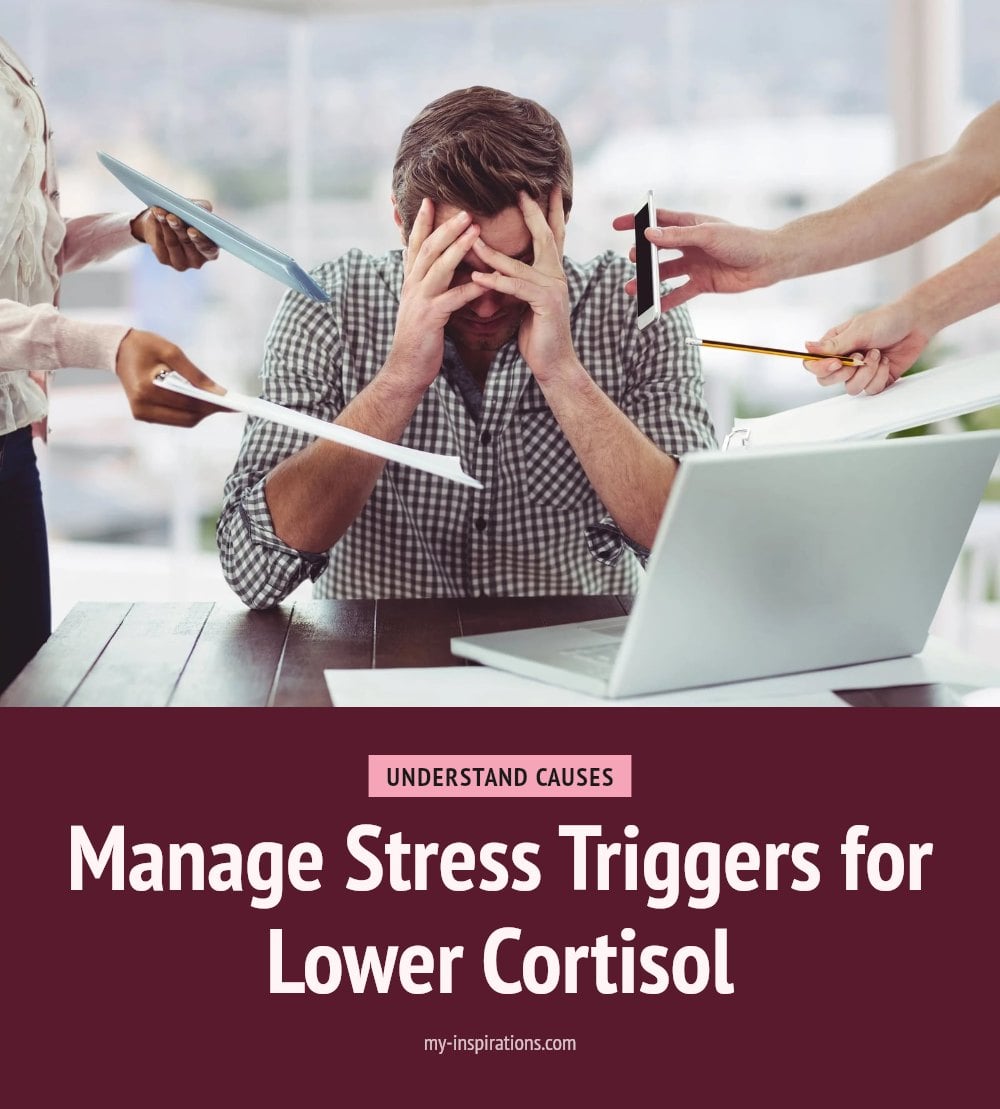
Understanding What Raises Your Cortisol Levels
Chronic stress is the main reason cortisol stays elevated. Your body keeps pumping it out when you’re constantly worried, overworked, or anxious. Lack of adequate sleep is another big culprit, since your body uses nighttime to reset its cortisol rhythm.
Intense, prolonged exercise without enough recovery can also temporarily push cortisol up. This doesn’t mean skip exercise, but it does mean paying attention to rest days and not overdoing it. Dietary choices matter too. Processed foods and excessive sugar can mess with blood sugar and put extra stress on your adrenal glands. Your daily habits, from what you eat to how you sleep, all play a part in keeping cortisol in check.
Effective Lifestyle Methods to Lower Cortisol

Prioritize 7-9 hours of quality sleep: Your cortisol rhythm depends on consistent sleep. Aim for the same bedtime and wake time every day, even on weekends. A dark, cool room and a screen-free hour before bed can help.
Add short stress breaks: Five minutes of deep breathing or a quick meditation session can lower cortisol in the moment. I usually do box breathing (inhale for 4 counts, hold for 4, exhale for 4, hold for 4) while waiting for my coffee to brew. Yoga or a 10-minute walk outdoors works just as well.
Exercise moderately, not obsessively: Regular movement like brisk walking, swimming, or cycling helps regulate cortisol. But pushing yourself with high-intensity workouts every day without rest days can backfire and raise it. Aim for 30-45 minutes of moderate activity most days, and take at least one full rest day per week.
Eat to support your adrenals: Focus on whole foods, vegetables, fruits, lean proteins, and healthy fats like avocado or nuts. Limit processed snacks and added sugar, which can spike blood sugar and stress your system. My tip: keep a bowl of cut veggies or a handful of almonds nearby for when stress munchies hit.
Connect and laugh: Social connection and genuine laughter can lower cortisol naturally. Call a friend, join a book club, or watch a comedy. Even 15 minutes of an enjoyable hobby, like gardening or knitting, signals your body that it is safe to relax.
The Role of Diet in Cortisol Management
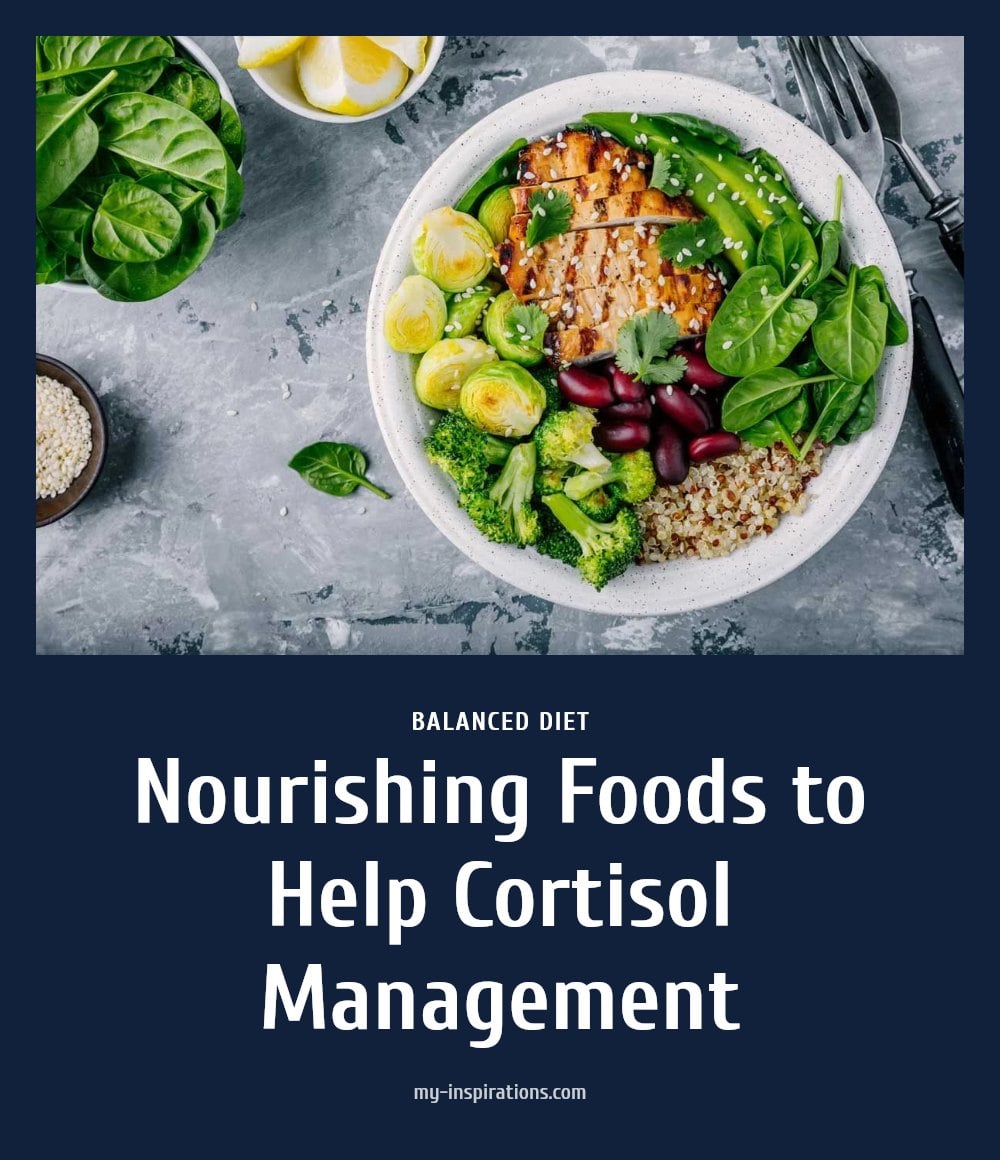
The Role of Diet in Cortisol Management
What you eat directly affects how your body handles stress. A diet rich in whole foods like fruits, vegetables, and healthy fats supports your adrenal glands and helps keep cortisol balanced. Limiting processed foods and excessive sugar prevents blood sugar spikes that can trigger extra cortisol release.
Including omega-3 fatty acids, found in fatty fish like salmon or in flaxseeds and walnuts, may reduce cortisol response to stress. Staying hydrated is also crucial, even mild dehydration can raise cortisol levels. Drink plenty of water throughout the day to support every bodily function, including stress regulation.
Common Mistakes When Trying to Reduce Cortisol
Ignoring sleep’s importance: Many people focus on diet or exercise but skip the 7-9 hours of quality sleep their body needs. Cortisol follows a daily rhythm, and poor sleep disrupts that pattern, keeping levels high.
Over-exercising: Moderate movement helps regulate cortisol, but intense workouts without recovery can spike it. My tip: schedule rest days and keep some sessions low-key, like walking or gentle yoga.
Relying on quick fixes: Supplements or a single change won’t fix chronic high cortisol if you ignore sleep, stress, and diet. Address the full picture.
Attributing all symptoms to cortisol: Weight gain or fatigue may come from other conditions. Consult a doctor to rule out issues like thyroid problems or Cushing’s syndrome before assuming cortisol is the cause.
When to Consult a Healthcare Professional
If you suspect chronically high cortisol, see a doctor for proper diagnosis. Self-treating with natural remedies can delay finding the real cause, such as Cushing’s syndrome or another medical condition.
Before trying any new supplement, especially adaptogens like ashwagandha, discuss it with your healthcare provider. These can interact with medications or have side effects you don’t expect.
Caution: Never attempt to diagnose or treat serious health issues on your own. A professional can run the right tests and guide you safely.
Expected Timeline for Cortisol Regulation
Consistent lifestyle changes typically show noticeable improvements in cortisol regulation after several weeks to months. Individual results vary based on how high your levels were and how closely you stick with new habits.
Natural approaches cost very little upfront, whole foods, sleep adjustments, and moderate exercise are budget-friendly. You might choose to spend on extras like yoga classes, meditation apps, or a professional consultation, but none are required.
Good to know: Patience matters. Your body needs time to reset its stress response, so keep going even if you don’t see changes right away.
Frequently Asked Questions
How long does it take to lower cortisol naturally?
With consistent lifestyle changes, most people see noticeable improvements in cortisol regulation after several weeks to months. The exact timeline depends on how high your levels were and how closely you stick with new habits like better sleep, stress management, and a balanced diet. Individual results vary, so don’t get discouraged if it takes a bit longer.
Can diet alone fix high cortisol?
Diet plays a supporting role, but it’s rarely enough on its own to manage chronically high cortisol. While eating whole foods and limiting processed sugar helps your adrenal glands, you also need to address sleep, stress, and exercise. Relying solely on diet without changing other lifestyle factors is a common mistake that can limit your progress.
Is all stress bad for cortisol levels?
No, acute stress is a normal and necessary physiological response. It helps you handle immediate challenges and isn’t harmful on its own. The problem is chronic stress, where your body keeps pumping out cortisol day after day. It’s the long-term, low-level stressors that build up and disrupt your system, not the occasional stressful event.
What are the signs of high cortisol?
Common signs include increased abdominal fat, fatigue, sleep problems, mood changes, and high blood pressure. You might also notice sugar cravings, a weakened immune system, or trouble concentrating. If these symptoms persist, it’s important to see a doctor for proper diagnosis, as they could also point to other medical conditions.
Do adaptogens really help with cortisol?
Some adaptogenic herbs like ashwagandha are sometimes used to help the body manage stress and may influence cortisol levels, but more research is needed to confirm their effectiveness. Before trying any new supplement, especially adaptogens, discuss it with your healthcare provider. They can interact with medications or have contraindications you need to be aware of.
Final Thoughts
My top recommendation is to start with your sleep routine. Aim for a consistent bedtime and wake time, and create a screen-free wind-down hour. This single change can have a big impact on your cortisol rhythm. Remember, noticeable improvements typically take several weeks to months of consistent effort, so be patient with yourself. Lowering cortisol is a gradual process, but small daily habits add up to real, lasting well-being.
This article is for general informational purposes only and does not constitute medical or professional advice. If you suspect you have chronically high cortisol or any related health condition, please consult a doctor or qualified healthcare provider for a proper diagnosis and personalized treatment plan.