The Easy Anti-Aging Skincare Guide for Women
Unlock the secrets to youthful skin with our easy anti-aging skincare guide. Learn effective routines and product choices to reduce signs of aging.

If you’re starting to notice fine lines or just want to keep your skin looking its best, a solid anti-aging routine is simpler than you might think. The secret isn’t a miracle cream, but a few proven steps done consistently, starting with sunscreen every single day. In this article, I’ll walk you through the essentials, a simple routine, common mistakes to avoid, and lifestyle habits that really make a difference.
Key Takeaways
- Apply broad-spectrum sunscreen with SPF 30+ every morning, rain or shine.
- Start with a low-concentration retinoid every other night to build tolerance.
- Use a vitamin C serum in the morning to fight free radical damage.
- Exfoliate 1-3 times weekly, depending on your skin type.
- Expect visible results in 6-12 weeks with consistent daily care.
What is Anti-Aging Skincare and How Does It Work?
Anti-aging skincare is a proactive approach to maintaining your skin’s youthful appearance. It works through three main mechanisms: protecting skin from environmental damage (especially UV rays), stimulating collagen production to maintain firmness, and accelerating cell turnover to reveal fresher, smoother skin. A consistent routine can visibly reduce fine lines, wrinkles, and dark spots, but it won’t stop the natural aging process entirely. Think of it as a way to age on your own terms, with healthier, more resilient skin.
Why Our Skin Shows Signs of Aging
Understanding why skin ages helps you choose the right products and habits. The biggest factor by far is sun exposure. It causes up to 80% of visible aging signs like wrinkles and dark spots. That’s why daily sunscreen is non-negotiable.
Natural Aging Processes
Starting in our mid-20s, collagen and elastin production naturally decline. This leads to less firmness and elasticity over time, making fine lines more noticeable.
Lifestyle Factors
What you do daily matters just as much. Smoking breaks down collagen and elastin, accelerating aging significantly. Inadequate sleep also interferes with your skin’s overnight repair process, so aim for 7-9 hours each night.
Your Essential Anti-Aging Skincare Arsenal
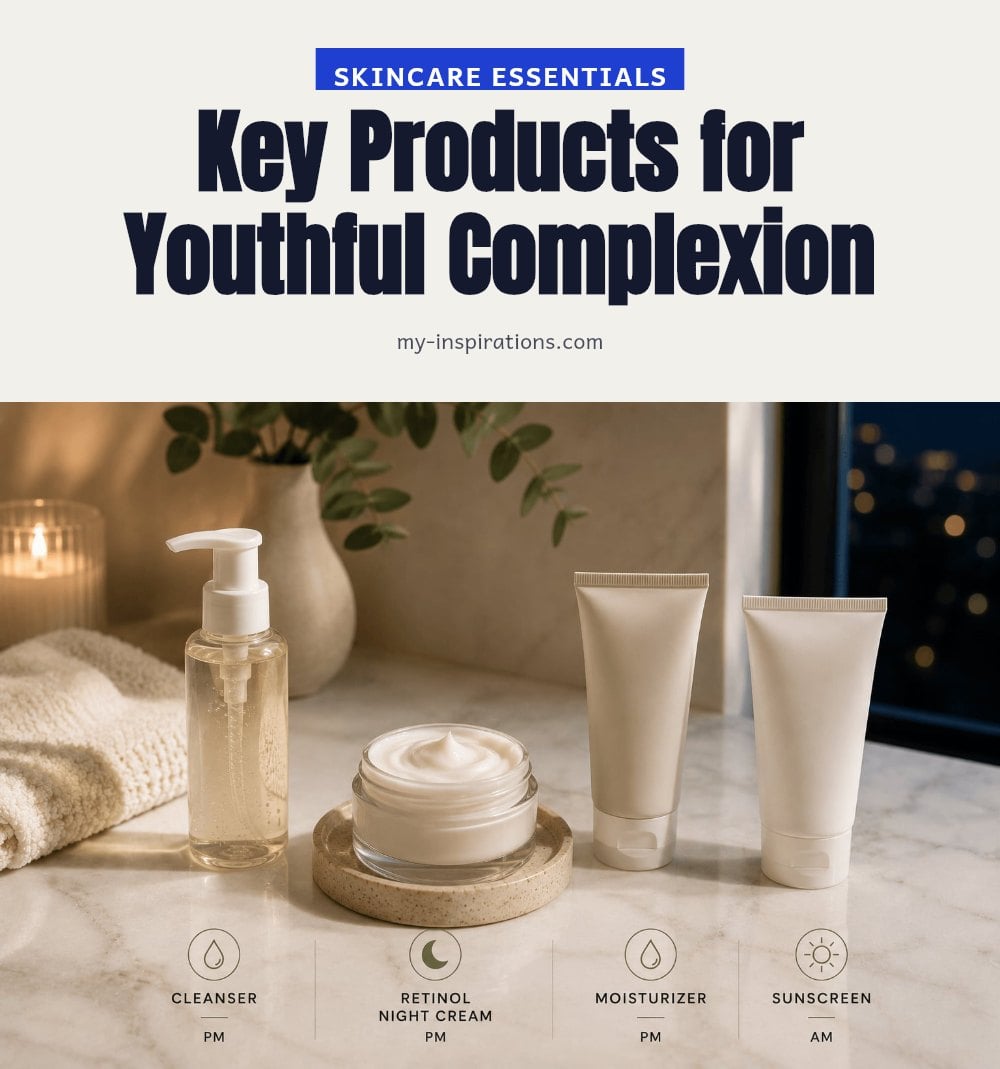
Building an anti-aging routine doesn’t mean buying every product on the shelf. Focus on these proven essentials:
- Broad-spectrum sunscreen SPF 30+: Your first line of defense against photoaging. Apply every morning.
- Gentle facial cleanser: Removes dirt and makeup without stripping your skin’s barrier.
- Moisturizer: Keeps skin hydrated and supports its protective function.
- Retinoid (retinol, retinaldehyde, tretinoin): Boosts cell turnover and collagen production, a gold-standard anti-aging ingredient.
- Vitamin C serum: A powerful antioxidant that neutralizes free radicals from sun and pollution.
- Hyaluronic acid serum: Attracts moisture, plumping skin and temporarily softening fine lines.
- Exfoliants (AHAs/BHAs): Smooth texture and brighten skin by removing dead cells.
Your Daily and Weekly Anti-Aging Skincare Routine
Consistency is the secret to seeing real change. Here is the daily and weekly routine that works for me.
- Cleanse gently: Wash your face morning and night with a gentle cleanser. Harsh scrubbing strips your skin barrier, so use lukewarm water and your fingertips.
- Apply antioxidant serum: In the morning, after cleansing, apply a Vitamin C serum. It protects your skin from free radical damage throughout the day.
- Apply sunscreen: Every single morning, finish with a broad-spectrum SPF 30+ sunscreen. Rain or shine, even indoors near windows. This step is non-negotiable for preventing photoaging.
- Incorporate a retinoid at night: Start slowly. Use a low-concentration retinoid every other night to let your skin adjust. Caution: Retinoids can cause dryness and sensitivity. Always follow with moisturizer and never skip sunscreen the next day.
- Moisturize regularly: After every cleanse, apply a moisturizer to lock in hydration. A well-hydrated barrier looks plumper and functions better.
- Exfoliate 1-3 times weekly: Use an AHA or BHA product to remove dead skin cells. If you have sensitive skin, stick to once a week. Over-exfoliating leads to irritation, so listen to your skin.
Common Anti-Aging Skincare Mistakes to Avoid
Skipping Sunscreen: This is the biggest mistake. UV damage accumulates every day, even through clouds and windows. Apply SPF 30+ every single morning, rain or shine.
Over-Exfoliating: Scrubbing away dead skin too often strips your barrier and causes irritation. Stick to 1-3 times a week and watch how your skin reacts.
Ignoring Neck and Chest: These areas show aging signs just as fast as your face. Extend your cleanser, serum, and sunscreen down to your collarbone.
Expecting Instant Results: Anti-aging is a long game. Visible changes take 6-12 weeks of consistent use, not a single application.
Using Too Many Actives: Layering retinol, AHA, and vitamin C all at once can overwhelm your skin. Introduce one new active at a time and wait a few weeks before adding another.
Best Anti-Aging Lifestyle Tips

Prioritize Sleep: Your skin does its main repair work overnight. Aim for 7-9 hours of quality sleep to support cell regeneration.
Stay Hydrated: Drink water throughout the day and use hydrating serums with hyaluronic acid. Hydration keeps skin plump and supports its barrier function.
Eat a Balanced Diet: Fruits, vegetables, and healthy fats provide antioxidants and nutrients that support collagen production. Think berries, leafy greens, and avocado.
Quit Smoking: Smoking breaks down collagen and elastin, speeding up wrinkles and sagging. Quitting is one of the most effective anti-aging moves you can make.
Manage Stress: Chronic stress raises cortisol levels, which can impair skin barrier function and accelerate aging. Find a stress relief method that works for you, whether it’s walking, meditation, or journaling.
When to Expect Results and What to Know About Cost
Visible results from a consistent anti-aging routine typically appear after 6-12 weeks, with continued improvement over several months. Patience and daily application matter more than any single product.
The cost of anti-aging skincare ranges widely, from affordable drugstore finds to luxury options. Focus on ingredients like retinoids and SPF rather than price tags. Effective choices exist at every budget level, and consistency beats spending a lot on one bottle.
When to Consult a Dermatologist
See a dermatologist if you experience severe irritation, persistent redness, burning, or a rash from any product. Also consult one for specific concerns like severe acne, rosacea, or significant sun damage.
Professional treatments such as prescription retinoids, chemical peels, and laser therapy require a doctor’s guidance. If you’re unsure about ingredient interactions or product compatibility, especially with sensitive skin, a dermatologist can help you build a safe routine.
Frequently Asked Questions
How long until I see results from anti-aging products?
Most people notice visible improvements after 6-12 weeks of consistent use, with continued gains over several months. Retinoids and vitamin C work gradually, so patience is key. If you stick with your routine, you’ll likely see smoother, brighter skin, but don’t expect overnight changes.
Is it okay to use retinol every night?
It depends on your skin’s tolerance. Start with a low concentration every other night, then gradually increase frequency as your skin adjusts. If you experience dryness, redness, or peeling, cut back to every few nights. Daily use is fine for many, but listen to your skin and reduce if irritation occurs.
Is anti-aging skincare only for older women?
Not at all. Starting in your late 20s or early 30s can help prevent early signs of aging. The key is prevention, especially with daily sunscreen. It’s never too early to protect your skin, and it’s never too late to start improving its health.
What’s the single most important anti-aging product?
Sunscreen is the most critical. It prevents up to 80% of visible aging signs like wrinkles and dark spots. Without daily SPF 30+, other products won’t be as effective. Make it a non-negotiable part of your morning routine, even on cloudy days or indoors near windows.
Can my diet really affect how my skin ages?
Yes, a balanced diet rich in fruits, vegetables, and healthy fats supports skin health. Antioxidants from these foods help combat free radical damage, and staying hydrated keeps skin plump. While diet alone isn’t a cure-all, it complements your topical routine and overall health.
Final Thoughts
The best anti-aging strategy is simple: protect your skin from the sun, use proven ingredients, and be consistent. Start with the basics, sunscreen, cleanser, moisturizer, and add a retinoid and vitamin C slowly. You’ll likely see improvements in 6-12 weeks, but the real payoff comes from making these habits permanent. Your future self will thank you.
This article is for general information only and is not medical or professional advice. Always patch test new products and consult a dermatologist if you experience severe irritation, persistent redness, or have specific skin concerns. For serious or ongoing issues, seek professional guidance.