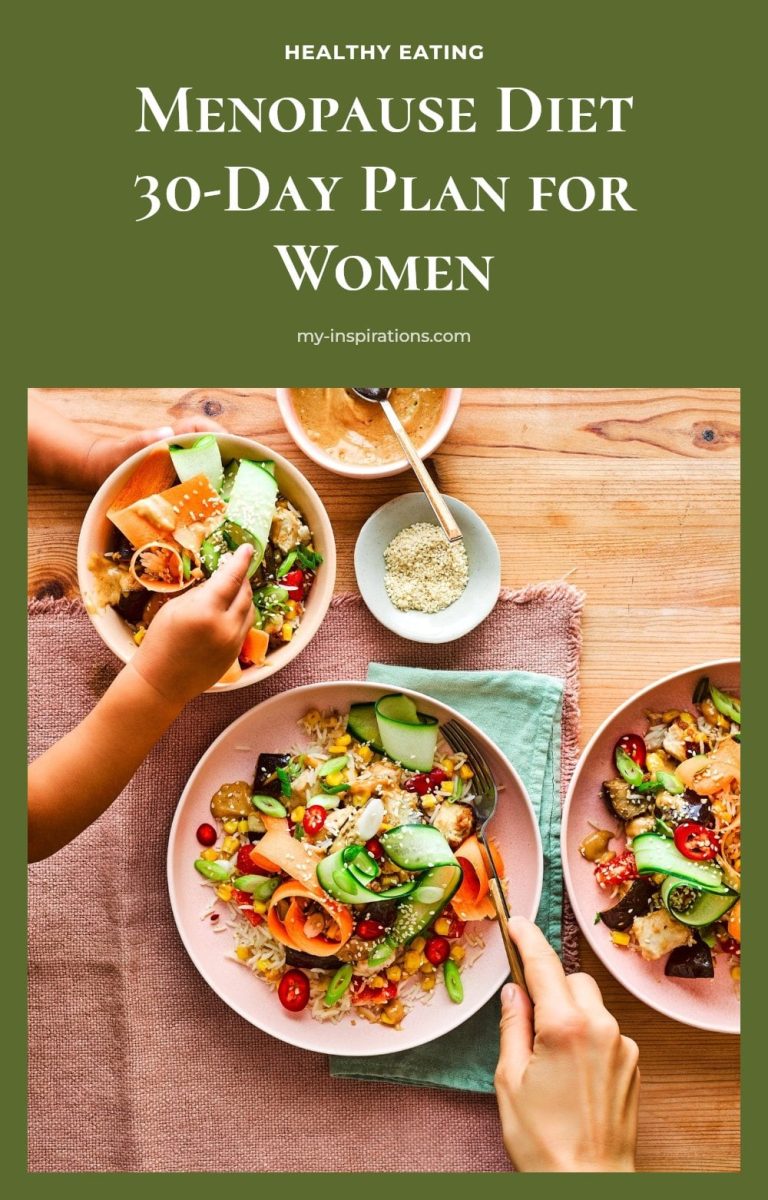
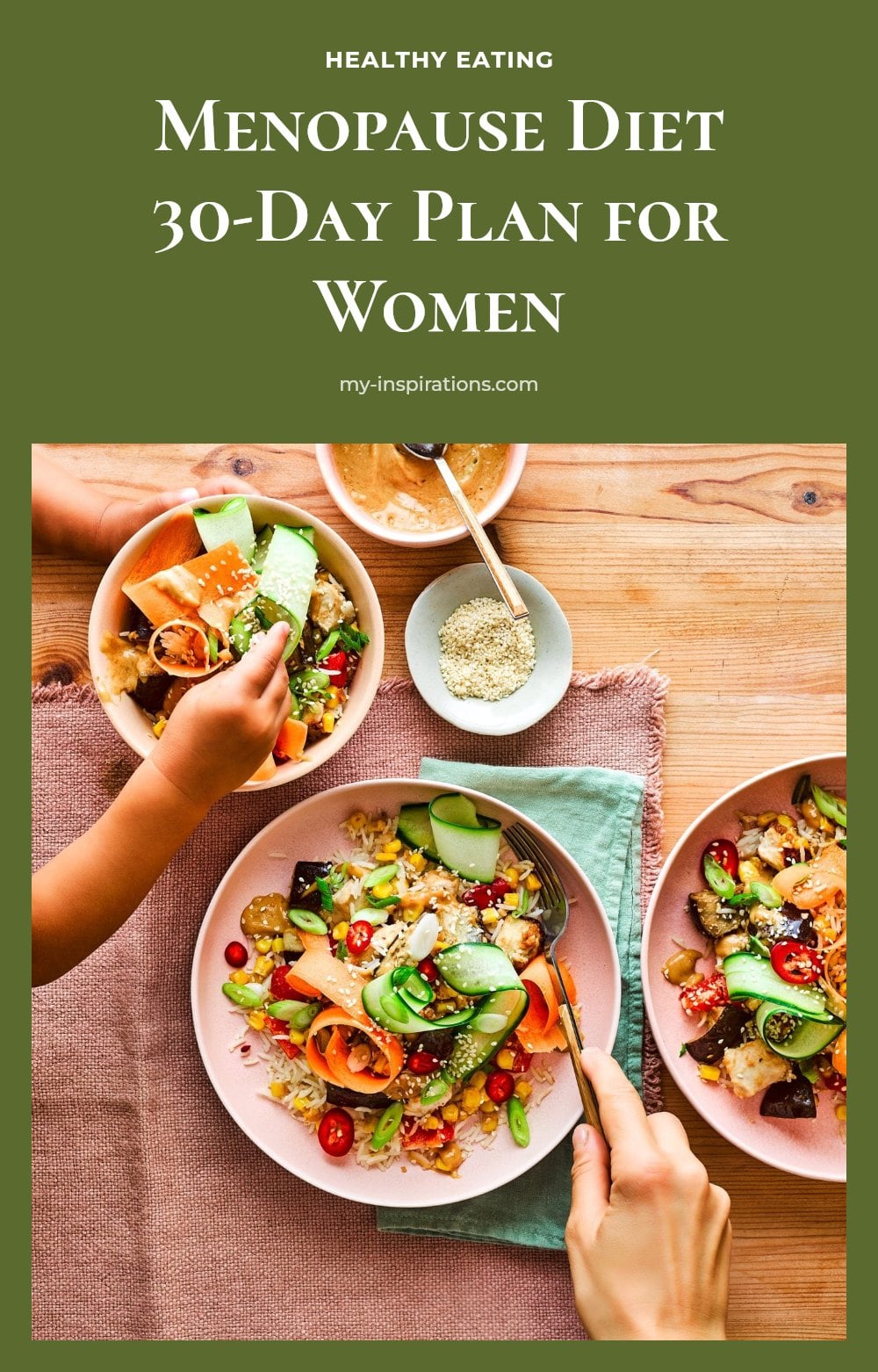
Menopause Diet: A 30-Day Meal Plan for Women Over 40
Discover a practical 30-day menopause diet plan to help manage symptoms like hot flashes and weight gain, focusing on nutrient-dense, supportive foods.

Navigating menopause can feel like a rollercoaster, but the right foods can be your secret weapon. This 30-day meal plan is designed to help you manage symptoms like hot flashes, weight gain, and bone density loss by focusing on nutrient-dense, whole foods. I’ll walk you through what to eat, what to avoid, and how to build habits that truly stick.
Key Takeaways
- Focus on lean protein, healthy fats, and fiber at every meal to support muscle and hormone balance.
- Aim for 1,200 mg of calcium daily from dairy, fortified plant milks, or leafy greens.
- Include omega-3s from salmon, walnuts, or flaxseeds to help reduce hot flashes and improve mood.
- Limit caffeine, spicy foods, and alcohol if they trigger your hot flashes.
- View this as a long-term lifestyle change, not a quick fix or restrictive diet.
Your 30-Day Menopause Diet Plan: What to Expect
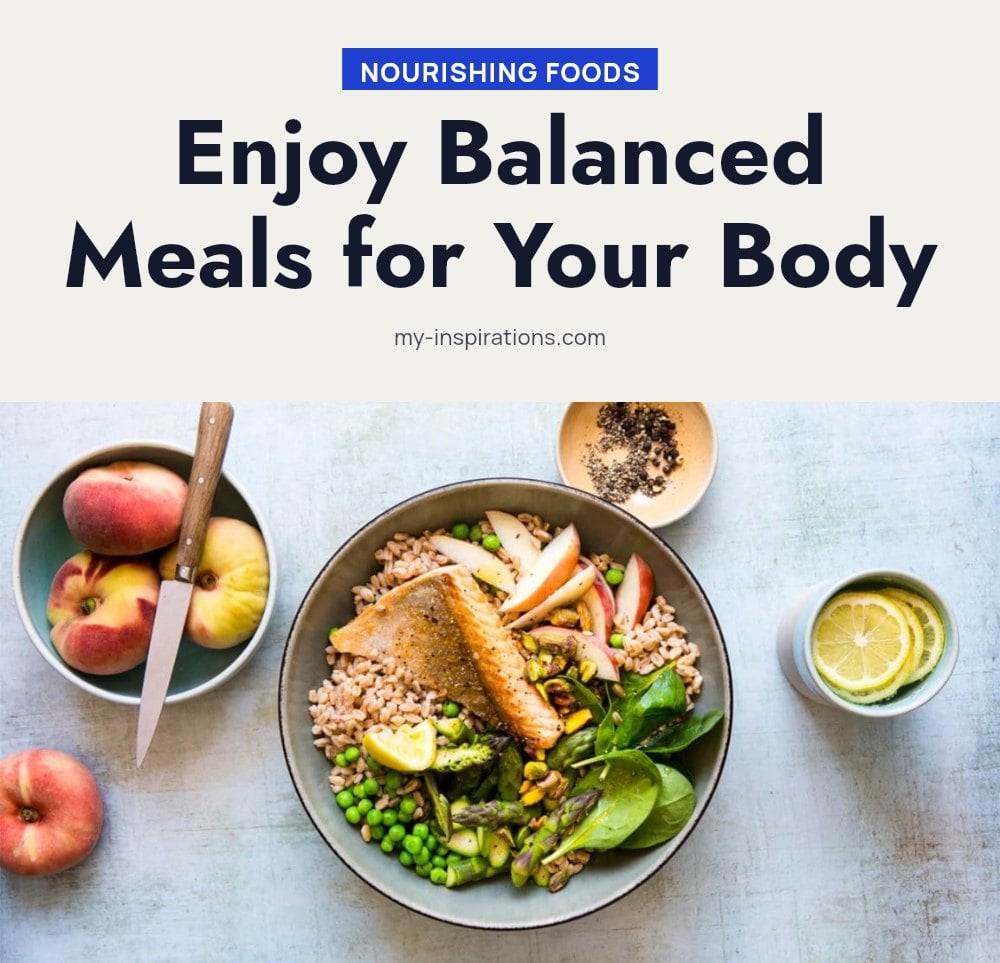
This 30-day plan is about building a sustainable way of eating that supports your body through hormonal shifts. It focuses on nutrient-dense foods, not restriction or quick fixes. You’ll prioritize lean proteins, healthy fats, fiber, and calcium-rich foods to help manage common symptoms like hot flashes and weight fluctuations. Think of it as a lifestyle adjustment that works with your body, not against it.
Your Menopause Diet Shopping List
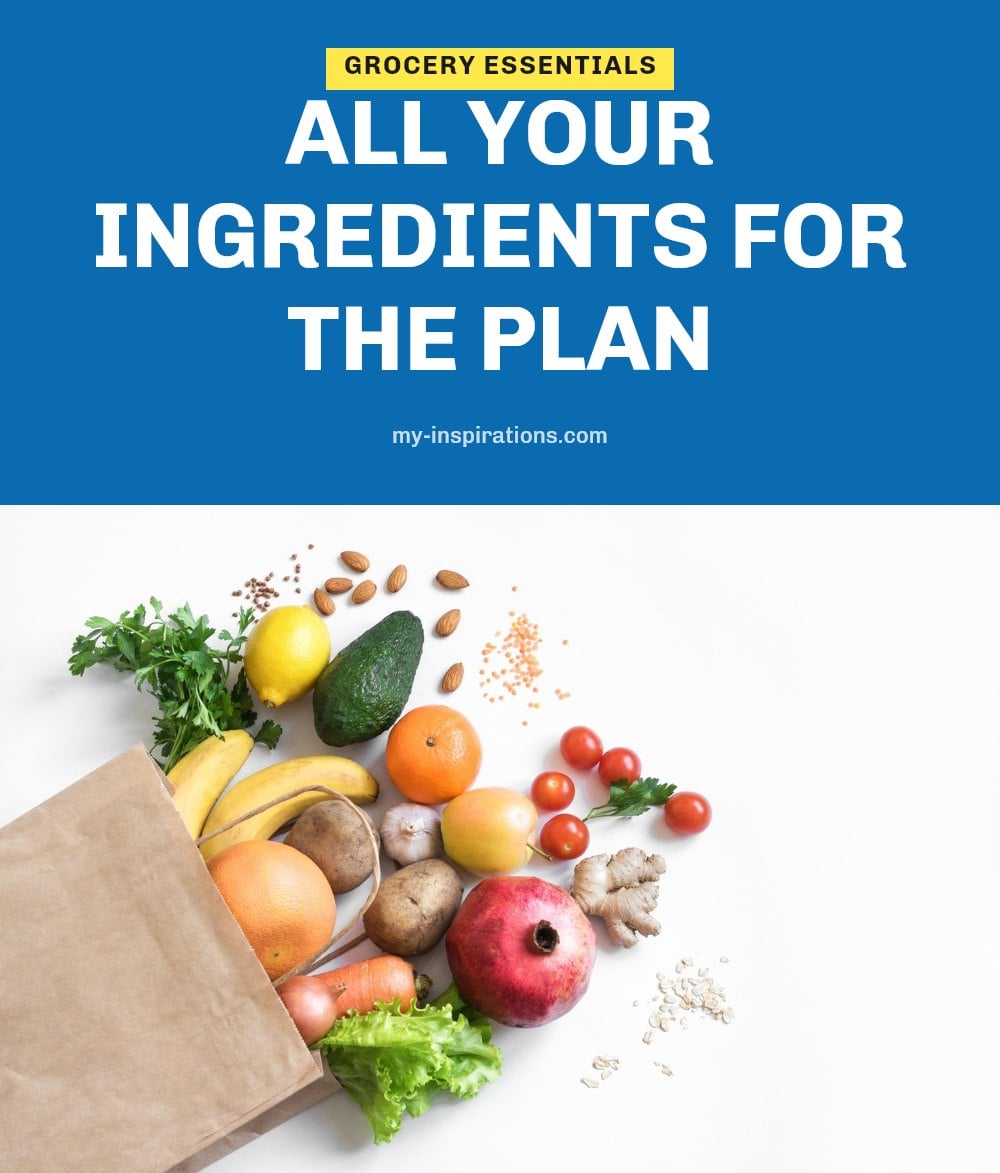
Stock your kitchen with these staples to make the 30-day plan easy to follow:
- Lean proteins: chicken breast, turkey, fish (salmon, mackerel), eggs, tofu, lentils, beans.
- Dairy/Calcium: Greek yogurt, cottage cheese, fortified plant milks, leafy greens (spinach, kale).
- Healthy fats: avocados, olive oil, nuts (almonds, walnuts), seeds (flax, chia).
- Whole grains: oats, quinoa, brown rice, whole-wheat bread.
- Fruits & vegetables: berries, apples, citrus, broccoli, bell peppers, sweet potatoes.
- Hydration: plenty of water, herbal teas.
Week 1: Foundations for Menopause Wellness
Week 1 is about creating a solid routine. Aim for consistent meal times and balanced plates that include protein, healthy fats, and fiber. Introduce phytoestrogen-rich foods like flaxseeds and soy in moderation, and prioritize hydration and mindful eating.
| Day | Breakfast | Lunch | Dinner | Snacks |
|---|---|---|---|---|
| Mon | Oatmeal with berries and flaxseeds | Grilled chicken salad with spinach, avocado, and olive oil dressing | Baked salmon with quinoa and steamed broccoli | Apple slices with almond butter |
| Tue | Greek yogurt with walnuts and sliced pear | Lentil soup with a side of whole-wheat bread | Turkey stir-fry with bell peppers, broccoli, and brown rice | Handful of almonds |
| Wed | Smoothie with spinach, banana, tofu, and chia seeds | Quinoa bowl with black beans, corn, avocado, and lime | Baked chicken breast with sweet potato wedges and kale salad | Cottage cheese with berries |
| Thu | Scrambled eggs with spinach and whole-wheat toast | Tuna salad (with olive oil) on a bed of mixed greens | Grilled tofu with roasted vegetables and brown rice | Carrot sticks with hummus |
| Fri | Overnight oats with chia seeds and sliced banana | Leftover grilled tofu and vegetables | Baked mackerel with quinoa and roasted asparagus | Orange slices |
| Sat | Whole-wheat pancakes with berries and a dollop of yogurt | Black bean and sweet potato tacos on corn tortillas | Lean beef stir-fry with broccoli and brown rice | Handful of walnuts |
| Sun | Poached eggs on whole-wheat toast with avocado | Mediterranean salad with chickpeas, cucumber, tomato, and feta | Roasted chicken with roasted root vegetables (carrots, parsnips) | Pear slices |
By the end of Week 1, you’ll have a solid foundation of balanced eating that you can build on in the weeks ahead.
Week 2: Boosting Bone & Heart Health
Week 2 shifts focus to supporting your bones and heart. Increase calcium and Vitamin D from food sources like fortified plant milks, leafy greens, and fatty fish. Incorporate more omega-3s from salmon, mackerel, and walnuts, and keep lean protein in every meal to maintain muscle. Experiment with different whole grains like farro or barley.
| Day | Breakfast | Lunch | Dinner | Snacks |
|---|---|---|---|---|
| Mon | Fortified oat milk smoothie with spinach, banana, and flaxseeds | Grilled salmon salad with mixed greens, cherry tomatoes, and walnuts | Baked chicken thighs with roasted brussels sprouts and farro | Greek yogurt with sliced strawberries |
| Tue | Scrambled eggs with kale and a side of fortified plant milk | Lentil and vegetable soup with a side of quinoa | Grilled mackerel with steamed broccoli and brown rice | Handful of almonds |
| Wed | Oatmeal made with fortified milk, topped with walnuts and blueberries | Turkey and avocado wrap in a whole-wheat tortilla with mixed greens | Baked tofu with roasted sweet potatoes and spinach salad | Carrot sticks with hummus |
| Thu | Greek yogurt parfait with chia seeds and mixed berries | Leftover baked tofu and sweet potatoes | Grilled salmon with quinoa and roasted bell peppers | Apple slices with almond butter |
| Fri | Fortified cereal with sliced banana and almonds | Chickpea and avocado salad with lemon dressing | Baked chicken breast with roasted asparagus and barley | Handful of walnuts |
| Sat | Poached eggs on whole-wheat toast with avocado | Leftover chicken and barley bowl | Lean beef stir-fry with broccoli, bell peppers, and brown rice | Orange slices |
| Sun | Whole-wheat pancakes with Greek yogurt and berries | Salmon salad with mixed greens, cucumber, and flaxseeds | Roasted turkey breast with roasted root vegetables (carrots, parsnips) | Pear slices |
By the end of Week 2, you’ll be consistently getting calcium, Vitamin D, and omega-3s from your meals, supporting both bone density and heart health.
Week 3: Managing Hot Flashes & Energy
By week 3, you’re ready to focus on foods that may help manage hot flashes and keep your energy steady. Pay attention to potential triggers: for some women, caffeine, spicy foods, and alcohol can increase the frequency or intensity of hot flashes. Try swapping your afternoon coffee for an herbal tea or a glass of water and see how you feel.
| Meal | Options |
|---|---|
| Breakfast | Oatmeal with sliced banana, walnuts, and a tablespoon of chia seeds |
| Lunch | Quinoa bowl with roasted sweet potatoes, chickpeas, spinach, and lemon-tahini dressing |
| Dinner | Grilled salmon with steamed broccoli and a side of brown rice |
| Snacks | Greek yogurt with berries; a handful of almonds; sliced bell peppers with hummus |
Magnesium-rich foods like leafy greens, nuts, and whole grains can support better sleep, while B vitamins from lean meats, eggs, and legumes help with energy and mood. Keep water nearby all day, hydration plays a role in managing symptoms like vaginal dryness and overall comfort.
Week 4: Sustaining Your New Habits
Week 4 is about locking in the habits you’ve built and making them feel automatic. Use the same ingredients from your shopping list to try new recipes, swap quinoa for farro, or use canned salmon in place of fresh. Reflect on any symptom improvements you’ve noticed and adjust portions or food choices based on what works best for you.
| Meal | Options |
|---|---|
| Breakfast | Scrambled eggs with sautéed spinach and a slice of whole-wheat toast |
| Lunch | Lentil soup with a side salad of mixed greens, avocado, and sunflower seeds |
| Dinner | Baked chicken breast with roasted Brussels sprouts and a small baked sweet potato |
| Snacks | Apple slices with almond butter; cottage cheese with sliced peaches; a hard-boiled egg |
Plan for continued healthy eating beyond the 30 days by prepping ingredients on weekends and keeping your kitchen stocked with the staples you now rely on. Consistency matters more than perfection.
Common Menopause Diet Mistakes to Avoid
Even with good intentions, a few common pitfalls can trip you up. Here’s what to watch for:
- Assuming it’s a restrictive diet: This is a lifestyle change, not a temporary fix. Focus on nourishing, not depriving.
- Ignoring hydration: Water is crucial for overall health and symptom management, including vaginal dryness. Drink up.
- Over-relying on supplements: A healthy diet is the foundation; supplements are meant to complement, not replace, whole foods.
- Neglecting protein: Adequate protein is vital for maintaining muscle mass, which declines with age and hormonal shifts.
- Falling for quick fixes: Be wary of extreme or fad diets. Sustainable changes yield the best long-term results.
When to Talk to a Healthcare Professional
Dietary changes can support your health during menopause, but they are not a substitute for medical advice. Talk to a healthcare professional if you have underlying health conditions that might be affected by dietary changes, if your symptoms are severe or significantly impacting your quality of life, or before taking any new supplements, especially if you are on medication. For personalized guidance, consider consulting a registered dietitian who can tailor a plan to your specific needs and health profile.
Frequently Asked Questions
Can this diet help with night sweats?
Yes, it may help. The same foods that manage hot flashes, like those rich in omega-3s and phytoestrogens, can also reduce night sweats. Staying hydrated and limiting caffeine and alcohol in the evening can make a big difference.
How quickly will I see results from this diet?
Some women notice symptom improvements within a few weeks, but it can take longer for others. The plan is designed as a sustainable lifestyle change, so give your body time to adjust. Consistency is more important than speed.
Is it okay to have coffee on a menopause diet?
It depends on your body. For some women, caffeine triggers or worsens hot flashes. If you notice a pattern, try swapping your morning coffee for a lower-caffeine option like green tea. Otherwise, moderate amounts are generally fine.
What if I’m vegetarian or vegan?
No problem at all. The plan includes tofu, lentils, beans, and fortified plant milks as excellent sources of protein and calcium. Just make sure you’re getting enough Vitamin D and B12, which are harder to find in plant foods.
Do I need to count calories on this plan?
Not necessarily. This plan focuses on nutrient density rather than calorie restriction. However, metabolism naturally slows with age, so if you’re not seeing the weight management results you want, it may be helpful to track portions for a short time.
Can this diet help with mood swings?
It can support mood stability. Omega-3s, B vitamins, and magnesium all play a role in mood regulation, and stable blood sugar from fiber-rich meals helps prevent energy crashes. That said, if mood swings are severe, talk to your doctor.
Final Thoughts
Stick with the plan for the full 30 days, and pay attention to how your body responds. Many women notice improvements in energy and symptom frequency within a few weeks, but lasting change takes time. My tip: use the shopping list to keep your kitchen stocked and make meal prep a non-negotiable part of your week.
This article is for general informational purposes only and does not constitute medical advice. Every woman’s experience with menopause is unique. Always consult a healthcare professional or registered dietitian before making significant dietary changes, especially if you have underlying health conditions or severe symptoms.