
How to Develop Empathy and Understand Others Better
Discover practical ways to build empathy and understand the feelings of others. Learn to connect more deeply and improve your relationships.

Have you ever felt like you’re just not connecting with the people around you, or that you struggle to truly understand what someone else is going through? You’re not alone, and the good news is that empathy is a skill you can actively build, not just a trait you’re born with. This article breaks down what empathy really means, the simple steps you can take to practice it daily, and the common mistakes that might be getting in your way.

Key Takeaways
- Empathy is about understanding and sharing someone’s feelings, not just feeling sorry for them.
- Pay attention to facial expressions, body language, and tone of voice to pick up on how others feel.
- Think before you speak or act to avoid unintentionally hurting someone’s feelings.
- Practice standing up for others, even when a situation doesn’t directly involve you.
- Developing empathy is a lifelong process that gets stronger with consistent daily practice.
What is Empathy and Why Does it Matter?
Empathy is the ability to understand and share the feelings of another person. It is distinct from sympathy, which is feeling pity or sorrow for someone. Empathy involves stepping into someone else’s shoes to grasp their perspective and emotions. Developing empathy is crucial for building strong relationships, effective communication, and resolving conflicts gracefully. The good news is that empathy is a skill that can be learned and strengthened through conscious effort and practice.
4 Steps to Practice Empathy Every Day
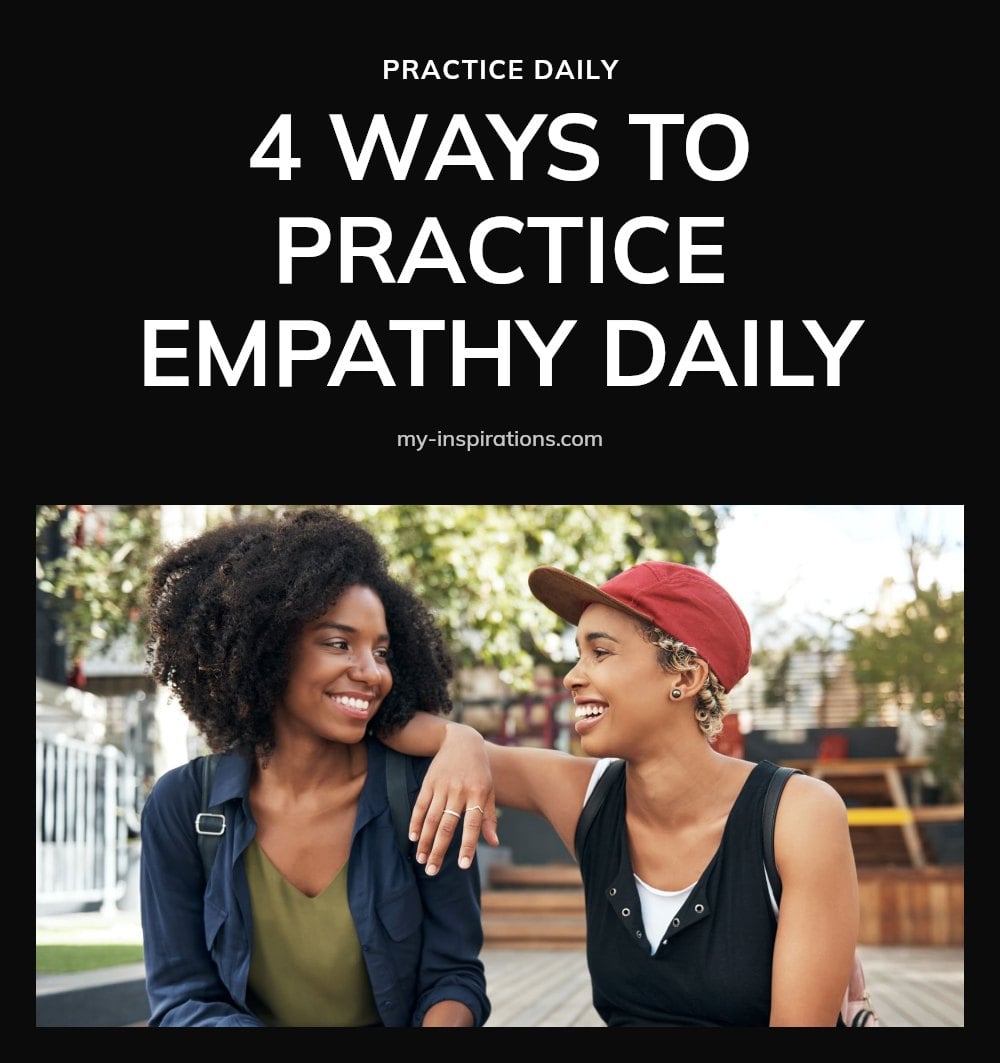
I’ve found that practicing empathy daily comes down to four simple steps. They work whether you are talking to a friend, a coworker, or a family member.
- Pay attention to feelings: Observe facial expressions, body language, words, and tone of voice. If you are unsure how someone feels, ask them directly. This is where empathy starts.
- Think before you speak or act: Consider how your words or actions might affect the other person. Adjust your behavior if you realize it could cause sadness or upset. My tip: take a breath before responding.
- Realize everyone is different: Recognize that situations affect people in various ways. Even if you would not feel the same way, strive to understand their unique perspective. Empathy is about them, not you.
- Stand up for others: Intervene and offer support when someone is being treated unfairly. Use your understanding of their feelings to guide your actions. Empathy helps you know how to best respond in a helpful way.
Here is the method in action: Mylemarks demonstrates it in about 5 minutes. The how-to part starts at 0:28.
Watch: Understanding Empathy with Mylemarks
Watch: Understanding Empathy with Mylemarks
This video provides a great visual explanation of what empathy is and how to practice it in daily life. It covers the importance of paying attention to others’ feelings and thinking before you speak or act. You will learn about realizing everyone is different and the power of standing up for others. The video reinforces that empathy helps you respond to others in a helpful way and fosters closer connections.
Common Empathy Mistakes to Avoid
Even with good intentions, it is easy to slip into common empathy traps. Here are the ones I watch out for most.
- Confusing empathy with sympathy: Remember, empathy is about understanding and sharing feelings, not just feeling sorry for someone.
- Believing empathy means agreement: You do not have to agree with someone’s perspective to understand their feelings.
- Focusing on your own experience: Empathy is about their unique situation, not what you would do in their place.
- Interrupting or offering unsolicited advice: Give your full attention without jumping in to fix things unless asked.
- Minimizing or dismissing feelings: Validate their emotions, even if you do not fully grasp their reaction. A simple acknowledgment goes a long way.
Top Tips for Cultivating Deeper Empathy

Practice active listening: Give your full attention when someone speaks. Make eye contact and resist the urge to plan your response while they are still talking. I usually nod to show I am following along without interrupting.
Ask open-ended questions: Questions that require more than a ‘yes’ or ‘no’ encourage others to share their experiences and feelings. Try ‘What was that like for you?’ instead of ‘Were you upset?’
Pay attention to non-verbal cues: Body language and facial expressions often reveal more than words alone. Notice crossed arms, averted eyes, or a tight jaw, and consider what those signals might mean.
Read diverse fiction: Immersing yourself in stories from different perspectives can broaden your understanding of human emotions and experiences. It is a low-effort way to practice seeing the world through someone else’s eyes.
Practice self-awareness: Understand your own emotional biases and reactions so they don’t overshadow your ability to empathize. Mindfulness helps me notice when my own feelings are getting in the way.
The Three Types of Empathy
Empathy is not a single skill but three distinct types that work together. Cognitive empathy is the ability to understand another person’s thoughts and feelings intellectually. You know what they are going through, even if you do not feel it yourself.
Emotional empathy goes further by letting you actually share in someone else’s feelings. When a friend is sad, you feel a similar sadness. This type creates a deep emotional bond.
Compassionate empathy combines understanding and sharing with a strong drive to help. You not only grasp their distress but also feel moved to take action to alleviate it. Developing all three types deepens your interpersonal understanding and makes your responses more effective.
Your Empathy Journey: A Lifelong Practice
How long it takes: Developing empathy is an ongoing, continuous process, not a one-time fix. You will see improvements with consistent effort, but it never truly ends.
How often to practice: Make empathy a daily practice. Consciously apply the steps and tips in your interactions with friends, family, and even strangers. The more you use it, the more natural it becomes.
Expected progress: You might notice small shifts in your understanding and connection with others within weeks. Deeper changes in how you relate to people typically emerge over months and years of consistent practice.
Cost: There is no financial cost, but it requires an investment of your time, attention, and emotional energy. That investment pays off in stronger relationships and fewer misunderstandings.
Frequently Asked Questions
What is the difference between empathy and sympathy?
Empathy is about understanding and sharing another person’s feelings, like stepping into their shoes. Sympathy, on the other hand, is feeling pity or sorrow for someone from a distance. While sympathy can be kind, empathy creates a deeper connection because you are trying to feel with them, not just for them.
Can empathy be learned or improved?
Yes, absolutely. Empathy is not a fixed trait; it is a skill you can develop with conscious effort and practice. By consistently applying the four steps, paying attention, thinking before you act, realizing everyone is different, and standing up for others, you can strengthen your ability to connect with people over time.
How does emotional regulation relate to empathy?
Emotional regulation is the ability to manage your own emotional responses. When you can keep your own feelings in check, you are less likely to become overwhelmed and more able to focus on what someone else is experiencing. This helps you listen and respond with genuine understanding rather than reacting based on your own emotions.
What are the three types of empathy?
The three types are cognitive empathy (understanding someone else’s thoughts and feelings intellectually), emotional empathy (actually sharing those feelings), and compassionate empathy (understanding and feeling moved to help). Each type plays a different role, and together they allow you to connect with others on a deeper level.
Why is empathy important in relationships?
Empathy is crucial because it allows you to truly understand your partner, friend, or family member’s perspective and emotions. This builds trust, reduces conflict, and strengthens your bond. When someone feels heard and understood, it creates a safe space for open communication and deeper connection, which is the foundation of any healthy relationship.
Final Thoughts
My tip: start with just one step from the four-step method today. Pay close attention to a friend’s or coworker’s tone of voice and body language, and if you’re unsure, ask them directly how they’re feeling. You won’t master empathy overnight, but with consistent effort, you’ll notice your relationships becoming deeper and more genuine. Keep practicing, and you’ll build the kind of connections that truly matter.